 Plott
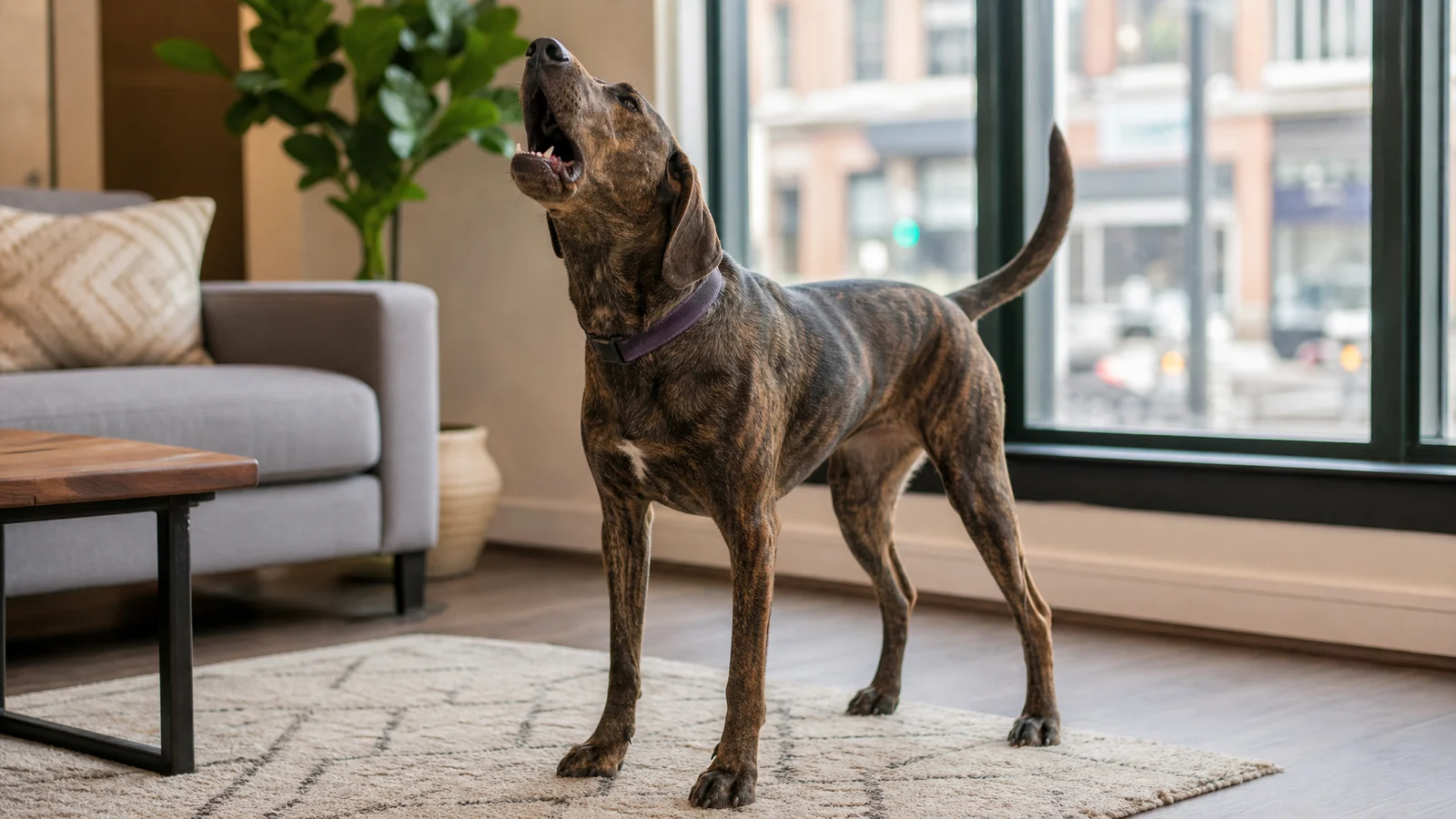
Yes, a Plott Hound can live in an apartment, but only if you plan for the bay and teach quiet on cue instead of expecting silence. The breed has no mute setting, and a plan that assumes one will fall apart within days.
The reason is mechanical. The Plott came from mountain country, where a dog working out of sight had to be heard from a long way off, so the voice was bred to carry. The breed's barking rating is level 4 on a five-point scale, and owners are warned to expect that voice at home. Handled badly, you get neighbor disputes and a frustrated dog. Handled well, you get a loyal, affectionate companion who settles when asked.
This guide covers barking, from the job that shaped the Plott's voice to a two-week schedule, with triggers, quiet-cue training, room setup and the neighbor conversation in between.
Why a Plott Hound Bays
The Plott was a mountain breed, raised for big game such as bear and wild boar. A dog working far ahead of the handler, out of sight on rough ground, has to tell the handler where the action is. Generations of selection therefore rewarded a voice that was loud, clear and able to cross a ridge. That voice did not shrink when the breed moved indoors. An apartment just puts the same instrument in a much smaller room, with drywall instead of distance to soak it up.
The Bay
The breed standard describes the voice as open trailing, bawl and chop, and notes that today's Plotts have a clear voice that carries well. The breed's "music" is known for a loud, ringing chop. Read that as a design spec. The bay is long, rhythmic and penetrating, which is exactly what a neighbor hears through a shared wall.
Now the skeptical part. Plotts are described as mellow gentlemen at home, and people take that to mean the bay will stay rare. Calm describes the baseline. It says nothing about what happens when a trigger lands. A relaxed Plott is still a Plott.
The Bark
A bark is shorter and sharper than a bay, and it works as an alert. The breed also scores level 4 on the five-point scale for watchdog nature, where 3 means occasional and 5 means vigilant. Expect announcements about the door, the hallway and the window. Plan around them instead of hoping they fade with age, because an alert, intelligent dog finds more to announce as they learn the building.
The Whine
Whining gets overlooked, and it shouldn't. The breed earns the top rating for affection with family, so a Plott who feels left out will say so. A whine is often the early warning before a bay. If whining gets the door opened, the lap offered or the leash clipped on, it grows louder and longer. Reward the calm that follows the whine, not the whine itself.
Barking Triggers
Most bays have a cause you can name. Sorting causes into groups tells you which fix to reach for, and it keeps you from treating a boredom problem with a white noise machine.
Boredom and Under-Exercise
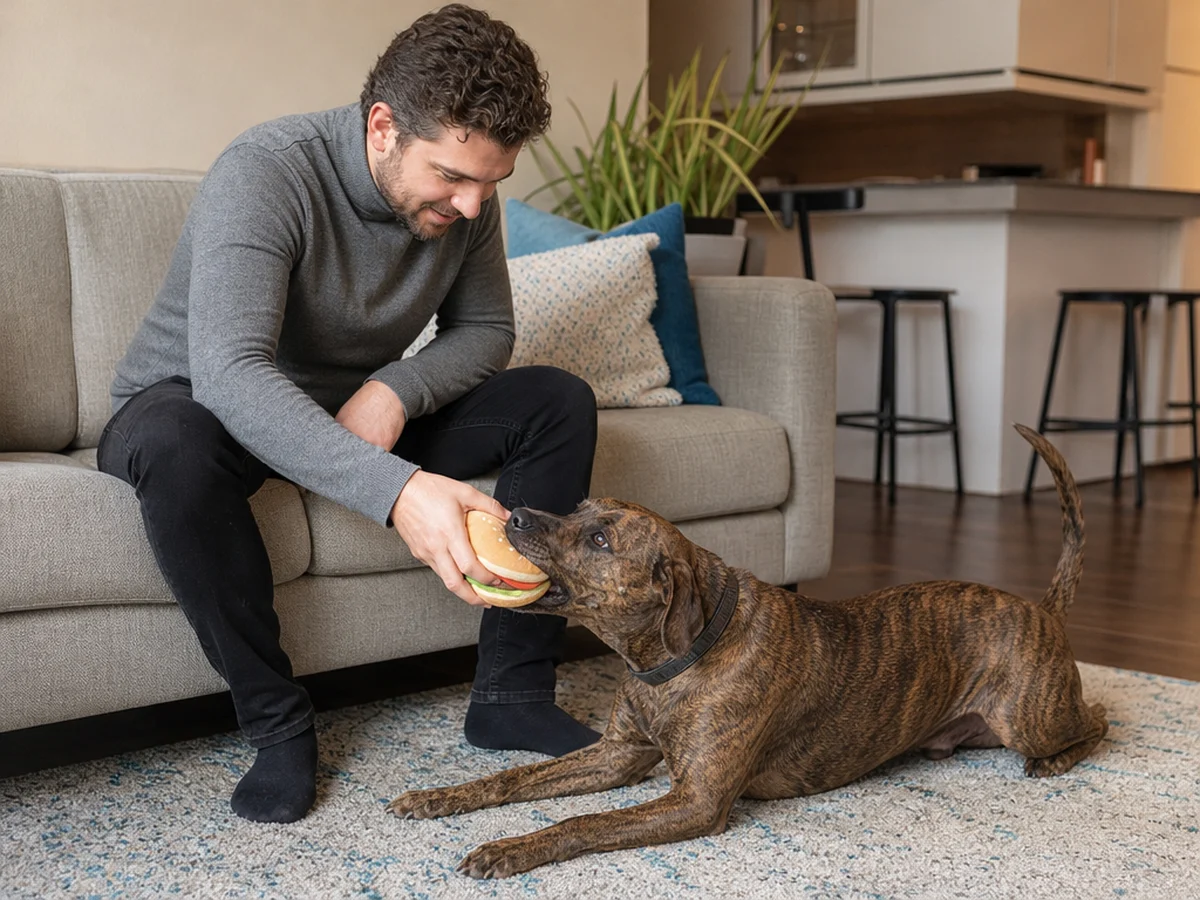
Energy sits at level 4 on the five-point scale, and the breed is smart enough that a bored dog invents entertainment. The voice is the cheapest entertainment they own. Evening bays, bays while you work from home and bays at nothing in particular usually point here.
Mental stimulation needs rate a moderate 3, so you don't need an elaborate program. You do need a daily helping of sniffing and thinking, because an under-occupied Plott finds ways to amuse themselves that you won't like.
Hallway and Building Sounds
Elevators, footsteps, rattling keys, a neighbor's dog, a delivery knock. A dog with a high watchdog rating treats each one as news worth reporting. Watch the body as well. If the hair along their back lifts at a sound, they are highly aroused, and our piece on hair standing up explains what that signals.
Calm them early. Once the bay has started, it is much harder to interrupt than the moment before it.
Alone Time
Alone time is the trigger you can't see. A breed this attached to its family notices your absence, and the risk is daytime noise with the neighbor as the only witness. Record a few of your departures on a phone and listen honestly. Then treat it as a skill to build with short absences and good chews, not as a verdict on your dog's character.
Prey Cues
Squirrels on a ledge, pigeons, a cat in the courtyard, a scent drifting through an open window. The Plott is extremely prey driven, which is why walks should always be on leash, and the same instinct fuels the bay at the glass.
Some people insist a dog needs an unrestricted view to stay sane. Looking is fine. Rehearsing a full bay at the window every day is not, and the setup section below shows how to limit it.
Reward-Based Barking Training
Waiting out the noise in silence rarely works on a dog bred to bay, because the sound pays them directly and your neighbors tire long before your dog does. Reward-based training works better because it hands the dog a job instead. We have worked with Plotts for a long time, and a dependable quiet cue is the single most useful skill we see for apartment living.
Reward Calm First
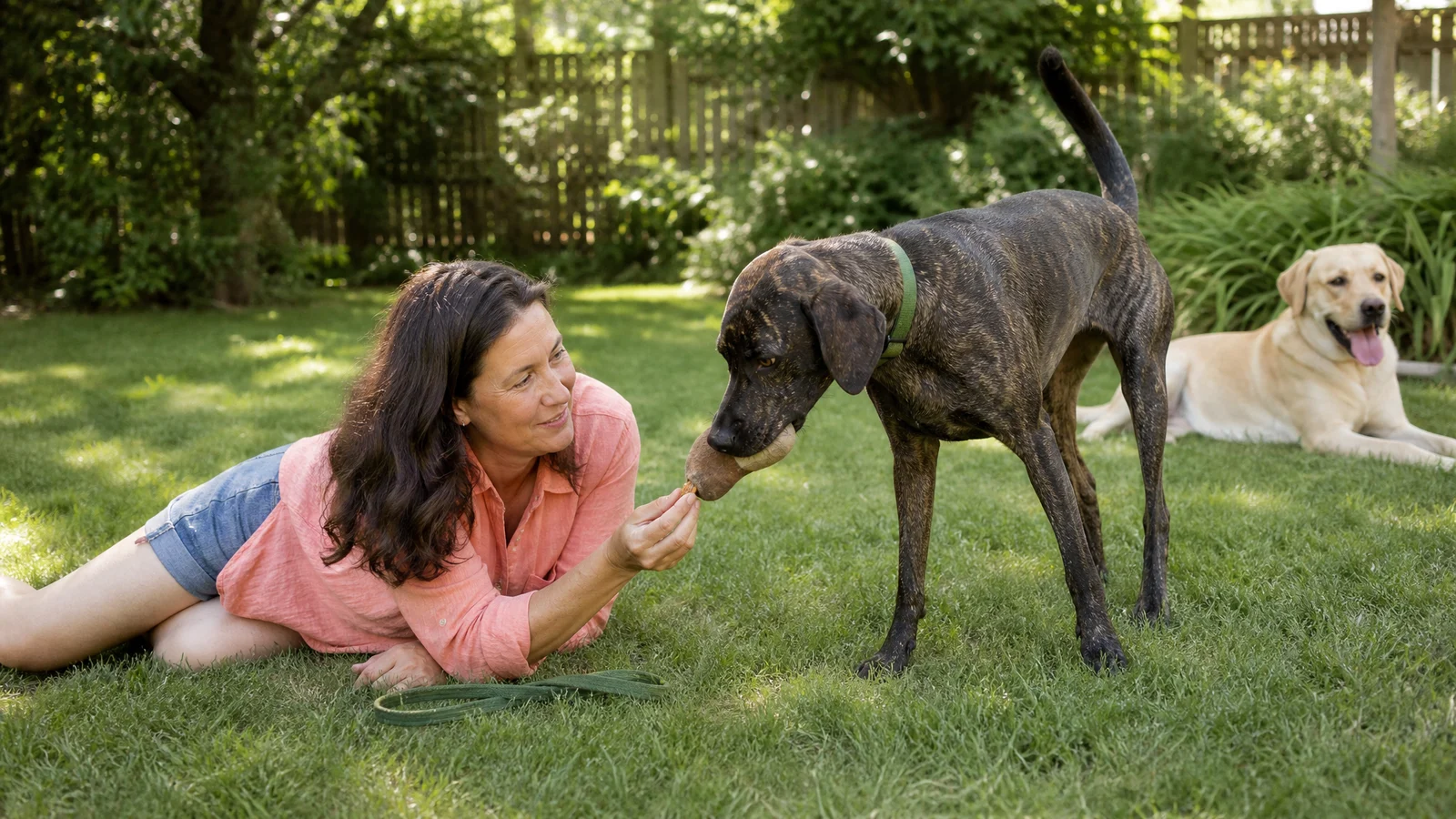
Start before any barking happens. When a hallway sound passes and your dog only lifts an ear, mark that moment and feed a treat on their mat. You are paying for the choice not to bay. Trainers who use positive reinforcement rely on a cue, marker, and reward, and capturing calm is the simplest form of that. Do it far more often than feels necessary.
Teach the Quiet Cue
Decide on the final behavior, then split it into small clicked steps and reward each one in order. The sequence below follows the method for teaching Quiet, where your dog needs several days or longer before the word really sinks in.
- Pick a marker, either a clicker or a short word like "Yes," and pair it with treats a handful of times until your dog perks up at the sound.
- When your dog barks or bays, say "Quiet" once in a calm voice, then feed a steady stream of tiny treats the moment the mouth closes.
- Mark during the silence, never after the next bark begins, because the marker tells your dog exactly which moment paid.
- Stretch the gaps between treats slowly, so silence lasts a little longer each round.
- Move to harder triggers one at a time, starting with a recording of a doorbell at low volume.
- Fade the treats toward praise and life rewards, such as the door opening or the leash coming out, but keep paying out now and then.
Timing That Makes It Stick
Most failures here come down to timing. Give the cue one time instead of five, or it fades into background noise. Pay for the closed mouth itself, not for a lull between barks that you are hoping will hold. If your dog keeps baying right through the treat, the trigger is stronger than they can handle at that level, so turn the volume down or add distance and try again.
End every session while your dog is still eager, and keep them short. A smart, willing learner like the Plott gets sloppy when drilled, and tiny treats allow many repetitions without a full stomach slowing things down.
Play the Bay-on-Cue Game
This sounds backwards, but it works. When your dog bays on their own, mark and reward it, then add a cue such as "Sing" just ahead of the next one. Once they bay on request, alternate "Sing" with "Quiet."
The voice now has a place and a payoff, and the quiet cue sharpens because your dog can tell the two apart. A short, planned bay session in the afternoon also drains some of the urge before the evening hours.
Apartment Barking Setup
Nothing in your home will silence a bay. What you can do is lower the volume, remove avoidable triggers and give the training room to work. Treat the setup as support for the training, not a replacement for it.
The Room
Hard floors and bare walls bounce sound around. Add rugs, hang heavier curtains and put a bookcase against any shared wall. Place the dog's bed away from the front door, so hallway sounds reach them at lower volume.
Window film that blurs the view while still letting in light cuts off the squirrel-and-pigeon show without leaving your dog in the dark. It is cheap and it reduces window-triggered baying.
The Routine
Exercise before quiet hours is the strongest lever you have, but it is not a cure. A tired Plott bays less, while a tired Plott with a trigger still bays. Give a leash walk with plenty of sniffing, then follow it with food puzzles or a snuffle mat to engage the brain.
If your dog carries treats off to stash them, that is normal behavior, and our article on burying and hiding treats explains it.
The Gear
Keep the kit simple. A white noise machine or fan near the door masks hallway sounds. A treat pouch keeps rewards at hand, and a comfortable mat or crate in a quiet corner gives your dog a place to settle.
Hand over chews calmly and practice trading for a better treat, since the breed can become possessive of food and toys. Add regular vet visits to the routine, and mention any sudden change in how much your dog vocalizes.
Barking, Neighbors, and Thin Walls
Realistic expectations matter more than any gadget here. In a shared building, the goal is fewer, shorter bays at reasonable hours, not none. Neighbors tolerate far more from a dog whose owner is visibly working on the problem than from one whose owner is a stranger behind a door.
Talk before a complaint arrives. Introduce your dog, say plainly that the breed has a carrying voice, explain what you are doing about it and offer your number so a problem reaches you directly instead of the landlord.
Keep your trigger log running too. It shows patterns you can fix, such as a midday gap that needs a walk, and it lets you answer a complaint with facts instead of defensiveness.
If a complaint does come, work through it calmly:
- Ask which times bothered them and compare those against your log, because the cause is often a single window of the day.
- Adjust the schedule, for example by moving the main walk or adding a midday visit so the long alone stretch is shorter.
- Share what you are training and invite them to tell you if things improve.
- Check your lease for any noise clause, so you know where you stand before a conversation turns formal.
A Quieter Plott Hound Plan
You manage the voice rather than remove it. A Plott will bay at times, because that is what the breed was built to do. What you control is the trigger, the timing and whether your dog knows what to do instead. Here is the plan for the next two weeks.
- The first three days: Log every bay with the time and the trigger, and record a few departures. Don't train yet. Just learn the pattern.
- The rest of the first week: Start short quiet-cue sessions, reward calm on the mat and add exercise and food puzzles before quiet hours.
- The second week: Practice with real apartment noises such as the doorbell and hallway footsteps, and have the neighbor conversation if you haven't already.
At the end of two weeks, read your log again. You should see shorter bays, calmer evenings and a dog who looks to you when the hallway door clicks.
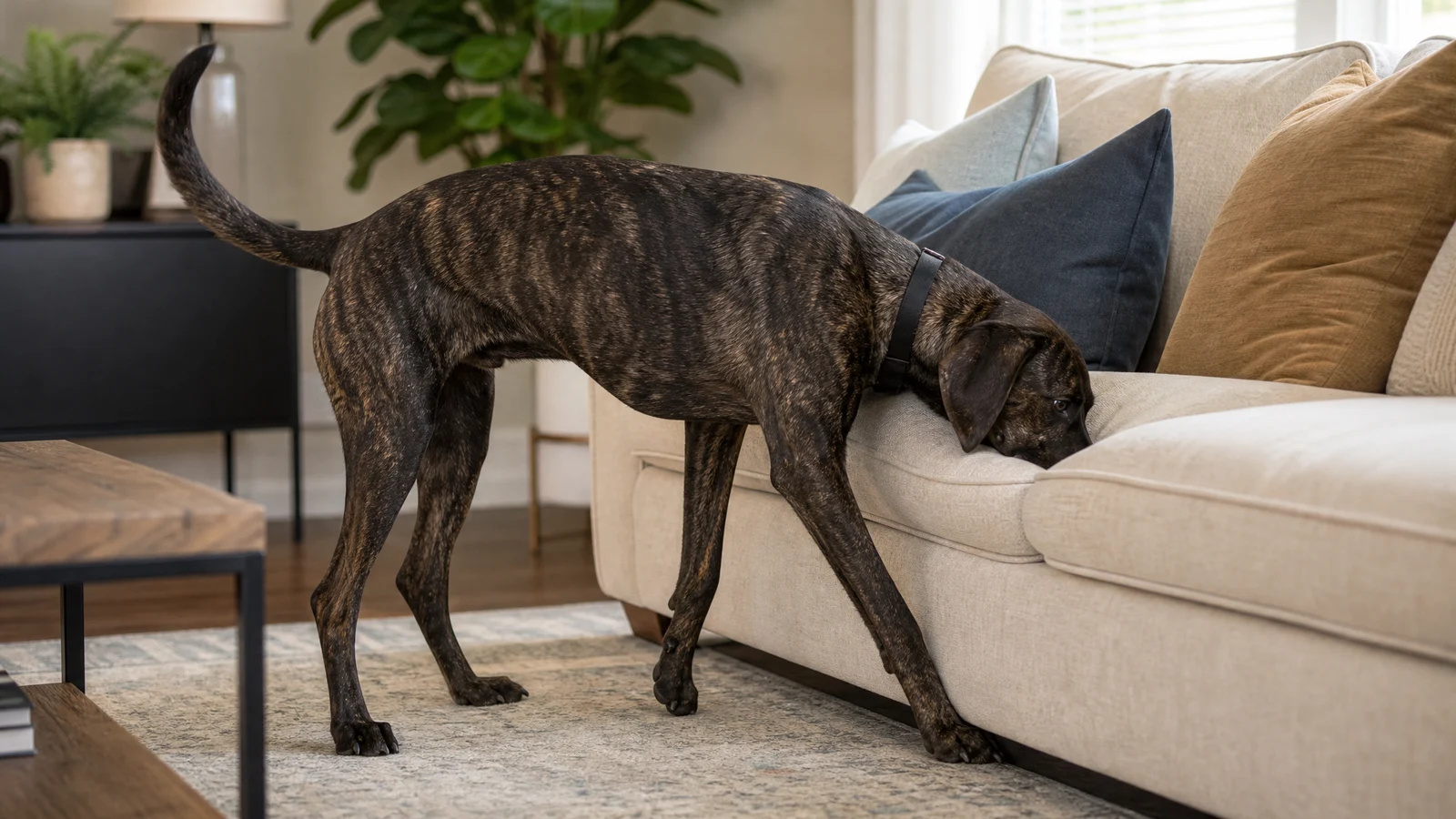 BehaviorWhat Does It Mean When Your Plott Hound Buries or Hides Treats?
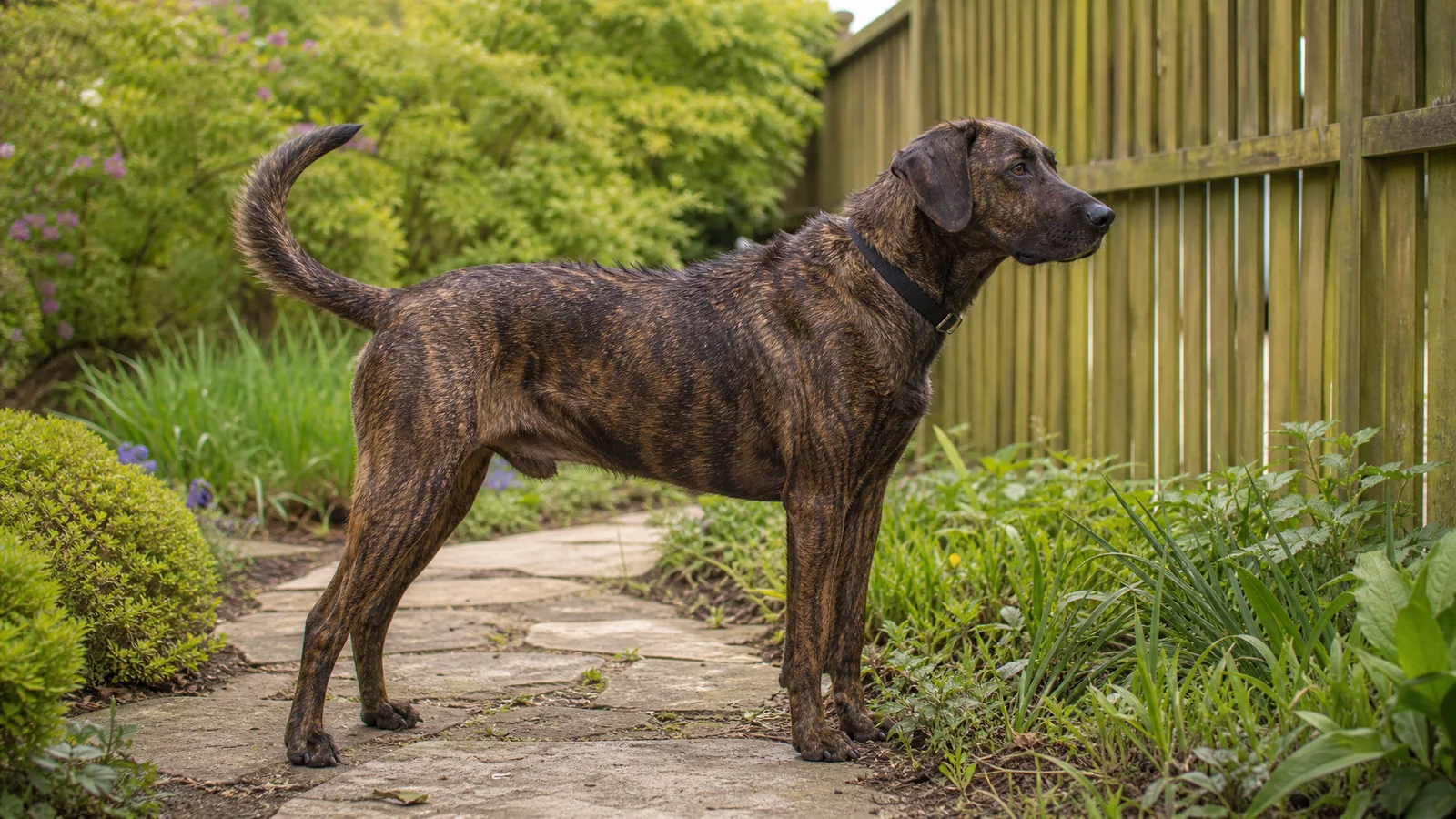 BehaviorWhy Does My Plott Hound's Hair Stand Up on Their Back?
 BehaviorPlott Hound Behavior With Other Dogs: Sharing Food and Toys