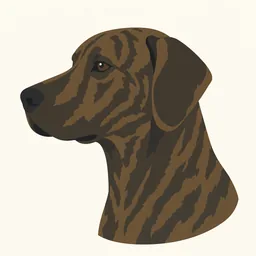
 Plott
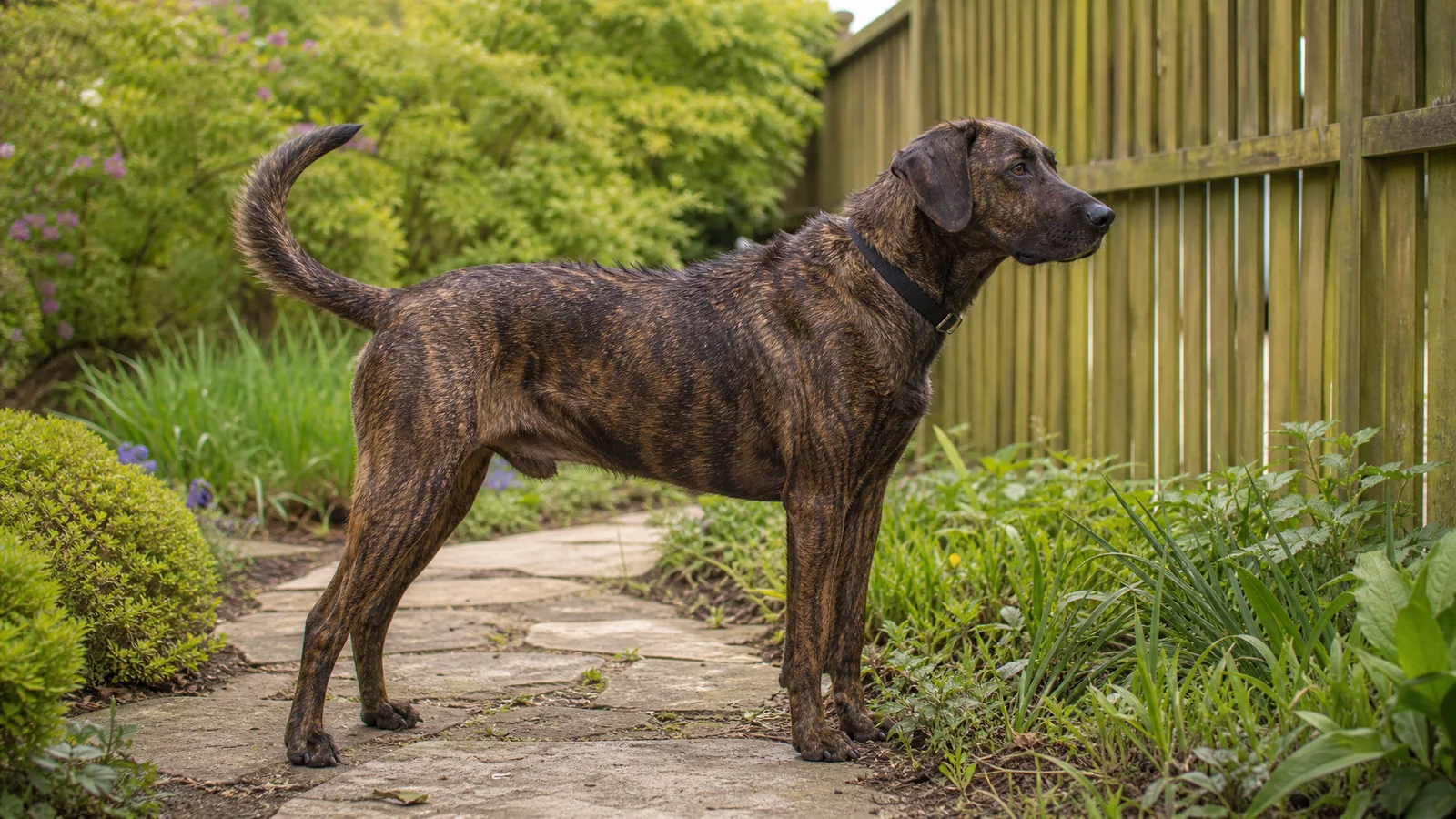
Two Plotts can react to the mail carrier in very different ways. In one, the ridge along the back lifts as footsteps reach the porch and settles again within seconds. In the other, the same raised hair is followed by a lunge at the window or the fence. Both are common, and the difference lies in how the moment is read and what happens next.
That matters for a hound this alert, confident and bold, because a misread moment hardens into habit over the following months, while a well-handled one gives you a dog who notices everything and still checks in with you. Read on for what raised hackles mean, how a Plott differs from a look-alike hound, the body signs that separate excitement from threat, how puppies and adults differ, and the one calm cue to begin building.
Raised Hackles Versus Real Aggression in Plott Hound Training
Raised hackles are an involuntary reaction. The hair along the neck, shoulders and back lifts when a dog's nervous system ramps up, and that can happen from excitement, curiosity, uncertainty, frustration or genuine hostility. The hair says the dog is aroused. It does not say why, and it is not a verdict on their character or on how you are raising them.
A Plott is bred to be alert and confident, so the coat may show arousal readily, and that is partly by design. The breed standard calls them active, bright, confident and courageous, and it lists viciousness as a disqualification. The watchdog and protective rating for the breed is 4 of 5, near the vigilant end of the scale. Noticing is the job, and the coat shows it as readily as the voice does.
What separates excited from hostile is the rest of the body and what the dog does next. Our years of work with this breed point to a handful of contrasts that hold up across dogs:
- An aroused Plott still moves fluidly, can look away from the trigger and will usually take a treat when one is offered.
- A hostile dog goes still, fixes a hard stare on the trigger and turns down food.
- Arousal fades soon after the trigger leaves, while hostility lingers and the body stays braced.
Misreading costs you in both directions. Treat every raised ridge as aggression and you tense up on the leash, and your dog reads that tension as proof that something is wrong. Treat it as nothing and you miss the early stage, which is the cheapest and easiest time to teach. Planning for the months ahead starts with sorting the two.
Plott Hound Versus Black and Tan Coonhound
Coonhounds get lumped together, but posture alone is a poor yardstick for judging any one dog. Dogs vary within any breed, so we will not pin a list of traits on the Black and Tan here. The more useful comparison is your Plott in action against your Plott at rest, because reading hackles depends on knowing what normal looks like for your own dog.
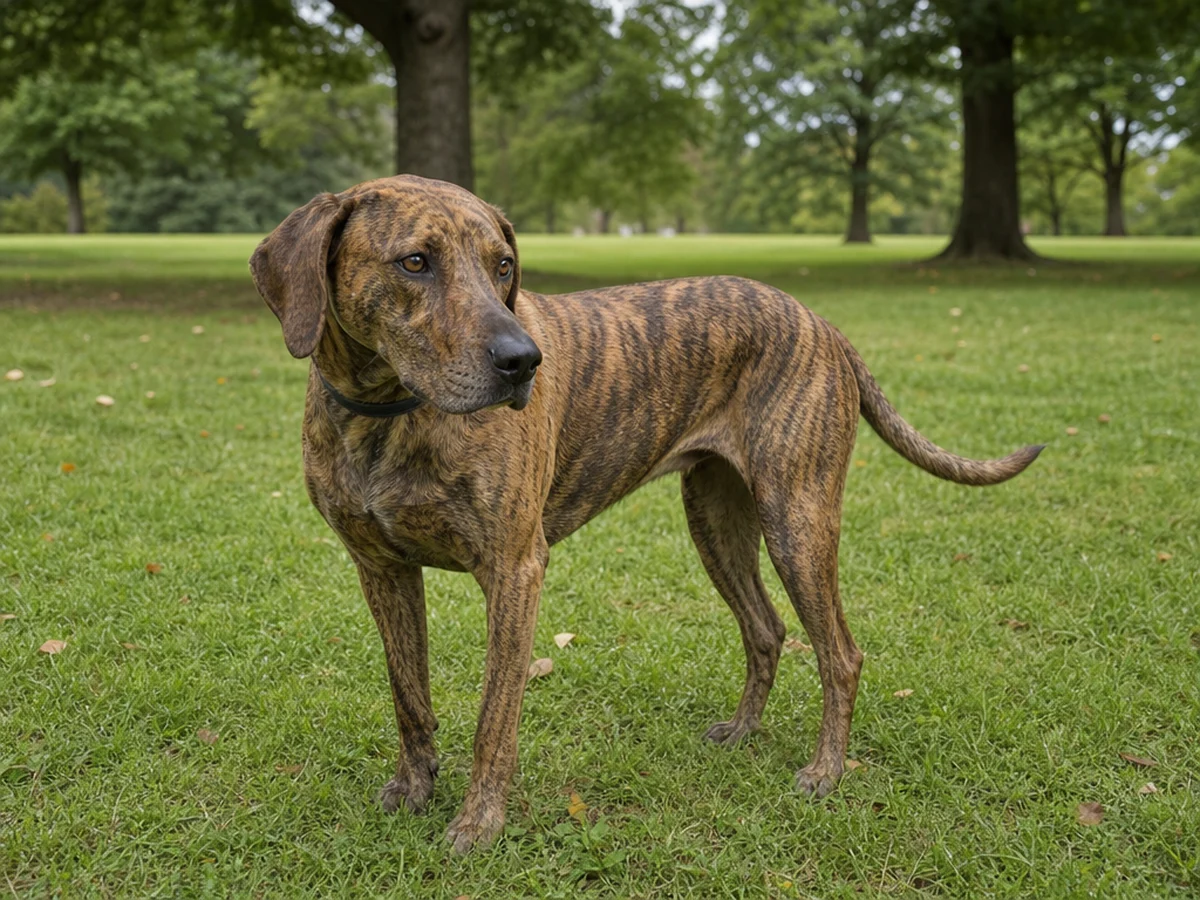
The standard describes the Plott's gait as quick and agile, with head and tail carried well up. That upright, forward posture can simply be a relaxed Plott. A visitor used to lower, softer-looking dogs may read it as a challenge, and so may an owner who grew up with such a dog. Plotts are also described as mellow at home and bold at work, so one dog can look like two different animals within an hour.
Strain adds another layer. Disposition is generally even but varies among strains, and a difference sometimes shows between lines bred for big game and lines bred as coonhounds. If you know your dog's background, ask the breeder how the line tends to behave around strangers and sudden noise. That tells you more than any comparison with another breed.
The trade-off is that a dog whose ears, tail and stance always look switched on gives fewer obvious clues. Spend a few weeks noting these things when nothing is happening:
- How the tail is carried and whether the tip keeps moving.
- How soft or tight the mouth and jaw look.
- Where the ears sit when your dog is calm but awake.
- How quickly they settle after a sound outside.
Once you hold that baseline, real changes stand out against it.
Is It Arousal or Threat Before You Train?
Hackles are one piece of a larger picture, so read the whole dog from tail to eyes before you decide what you are seeing. Context counts as much as posture. A mail carrier at the door, a dog passing the fence and a stranger approaching your leashed dog each call for a different response.
If your Plott's reactions change suddenly with no new trigger, book a visit with your veterinarian. Regular checkups also catch pain, which can shorten any dog's patience.
Signs of Arousal
Arousal looks busy and mobile. Use this as a checklist, and remember that the whole picture matters more than any single sign:
- The tail is carried high and still moves, with a loose sweep rather than a stiff flag.
- The mouth is open or relaxed, and the jaw looks soft.
- The eyes are bright, and the dog can glance at you and back at the trigger.
- The stance is forward and bouncy, with weight shifting from foot to foot, and a known cue such as sit is still possible.
- Any barking changes in pitch and stops soon after the trigger leaves.
Signs of Threat
Threat looks stiller. The body freezes, the tail is held rigid, the mouth closes tightly and the stare turns hard and fixed. The dog may lean onto the front legs, refuse treats and growl low. A growl is a warning, so the best reply is to calmly move away. That shows your dog there is no need to take things further.
Keep that warning system intact. Growling is communication, and a dog whose growl is silenced may skip straight to a snap next time. Plotts rate high for openness to strangers, so hostility toward a friendly visitor deserves a closer look, ideally with a qualified reward-based trainer.
Context and Distance
Because the Plott is extremely prey driven, walking on leash is the safe default, and a squirrel or a cat can raise the ridge from pure drive rather than hostility. Distance is your best tool. The farther away the trigger, the more likely your dog can still think and take food. If they refuse a treat that is normally irresistible, you are too close, so back up before you try anything else.
Redirecting Your Plott Hound's Alert Barking in Training
When the hair rises and the barking starts, give your Plott a moment to notice what caught their attention. Then call them away with a recall or a cue like "watch me," and reward the instant they turn toward you. Once they are calmer, ask for a sit or a down and pay again. Repeated often, this teaches your dog that visitors and passersby predict treats and your attention, so the next encounter starts from a calmer place.
Redirecting suits this breed better. A watchdog rating of 4 of 5 means the alerting instinct arrives built in, so nothing here teaches or encourages guarding. Your job is the off switch: let the dog notice, then show them what to do next. Barking also rates 4 of 5, so expect a voice in the house at times. If the noise worries your neighbors, our piece on a carrying bay in an apartment goes deeper.
The sequence below follows rewarding an early sit or similar action, then a call-away if the barking has already begun:
- Watch for the early lift, such as the ridge starting to rise, ears pointing forward and a fixed look at the door.
- Cue a sit or a down at that moment and pay right away, before any barking starts.
- If barking has begun, use your recall word or "watch me" to bring your dog away from the window, then pay for the turn toward you.
- Say your marker word the instant the body softens, and deliver the treat where your dog stands.
- Release them to go and look again, since permission to notice makes calm easier to hold.
Each paid repetition makes the calm option a little more likely next time.
Does a Puppy's Raised Hair Change the Training Plan?
It does, because the same ridge can have a different cause and a different cost at each life stage. In a puppy, raised hair is most often novelty or uncertainty. In an adult, it is more often a practiced habit, and the longer a habit has been rehearsed, the more patient and structured your plan needs to be. Matching the plan to the stage saves you effort later.
Puppy Hackles
A smart, willing Plott puppy who meets a new sound, a large dog or an unfamiliar visitor may puff up for a moment and then bounce back. Treat that as information about what needs gentle practice. Puppyhood is the time to socialize thoroughly, introducing many kinds of people and other animals in a gentle way, and pairing each new thing with a treat so the world comes to predict good outcomes.
Keep sessions easy and end them while your puppy is still comfortable. If treats get carried off and hidden instead of eaten, our article on why Plotts bury or hide treats explains it. A puppy who freezes, hides or snaps rather than bouncing back deserves help from a qualified reward-based trainer sooner rather than later.
Adult Hackles
In an adult, hair that rises at the same trigger every day and is followed by barking or lunging means the pattern is well rehearsed. You cannot socialize your way out of it in a weekend. Start with management, such as blocking the window view and keeping distance on walks, then build calm responses in small steps.
Plan for months rather than days, and measure progress by how quickly your dog recovers, not by whether the hair ever rises. Plotts are intelligent and eager to please, which works in your favor at any age.
Calm Training Versus Hoping It Fades
Waiting for the behavior to fade with age is a common plan, but with an intelligent, alert hound it rarely works. Each time the ridge rises and the trigger conveniently leaves, the dog learns that their reaction worked. Training calm in the places where hackles most often rise is more reliable, and it takes less effort than years of living around a rehearsed lunge.
At the Front Door
Visitors are the classic trigger, so reward calm here first. Before guests arrive, put your Plott on a leash or behind a gate with a mat and a chew. Scatter treats while the visitor settles in, and have people walk past without greeting your dog until the ridge has flattened. Mark calm with your word the moment your dog breathes out, then treat. Over many visits, the doorbell becomes a cue to go to the mat.
On the Sidewalk
On walks, build distance first. Spot the other dog or person early, ask for attention with "watch me," and reward your dog for looking at you rather than the trigger. Plotts rate very high for getting along with other dogs, so greetings are often friendly once the body is calm. Earn them with calm first, and keep the leash loose and the treats plentiful.
Food and Toys
Plotts can become possessive about food or toys, and hair rising near a bowl is a different conversation from hair rising at the door. Give them space while they eat, and trade up with something better when you need an item back. Mental stimulation helps too, since a bored hound finds their own entertainment and it is rarely the kind you would choose.
Training Your Plott Hound's One Calm Cue
Raised hackles are information, and this breed's alert, confident nature means you will see them often. That nature is also what makes a Plott so rewarding when it is channeled well. Arousal is not something to stamp out but something to guide, and a dog who has learned that calm pays will let the hair rise and then choose the quiet option. Build that in stages, over months, with patience and consistency.
Keep vet visits regular, keep walks on leash and keep sessions short with good treats. When you are unsure whether you are seeing excitement or threat, add distance first and decide second.
If you only change one habit today, make it this one. The next time your Plott's hair goes up, say your marker word and give a treat before they act. Do it when the ears first tilt toward the door, not after the bark. Repeated every day, that single habit does most of the work.
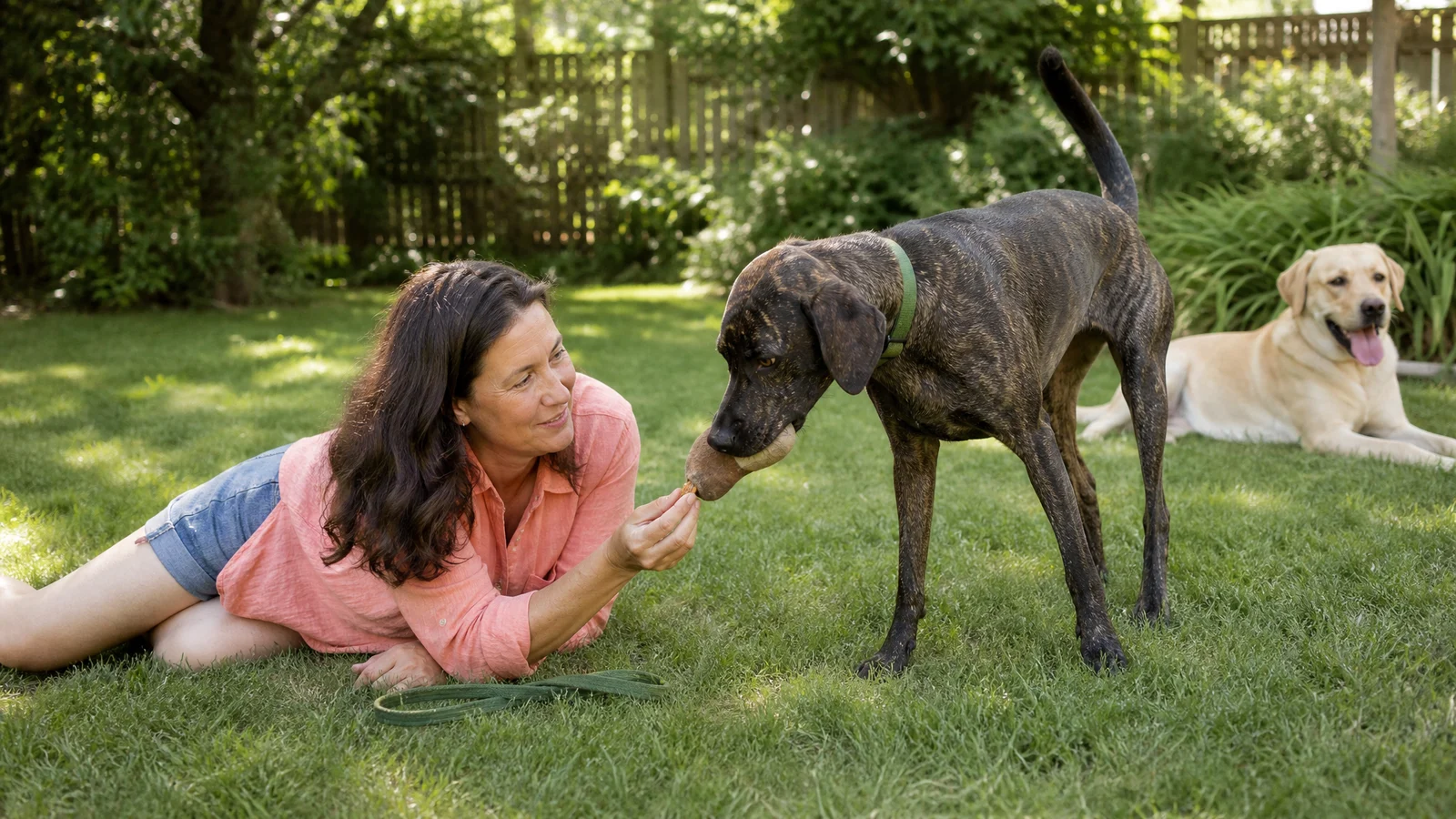 BehaviorPlott Hound Behavior With Other Dogs: Sharing Food and Toys
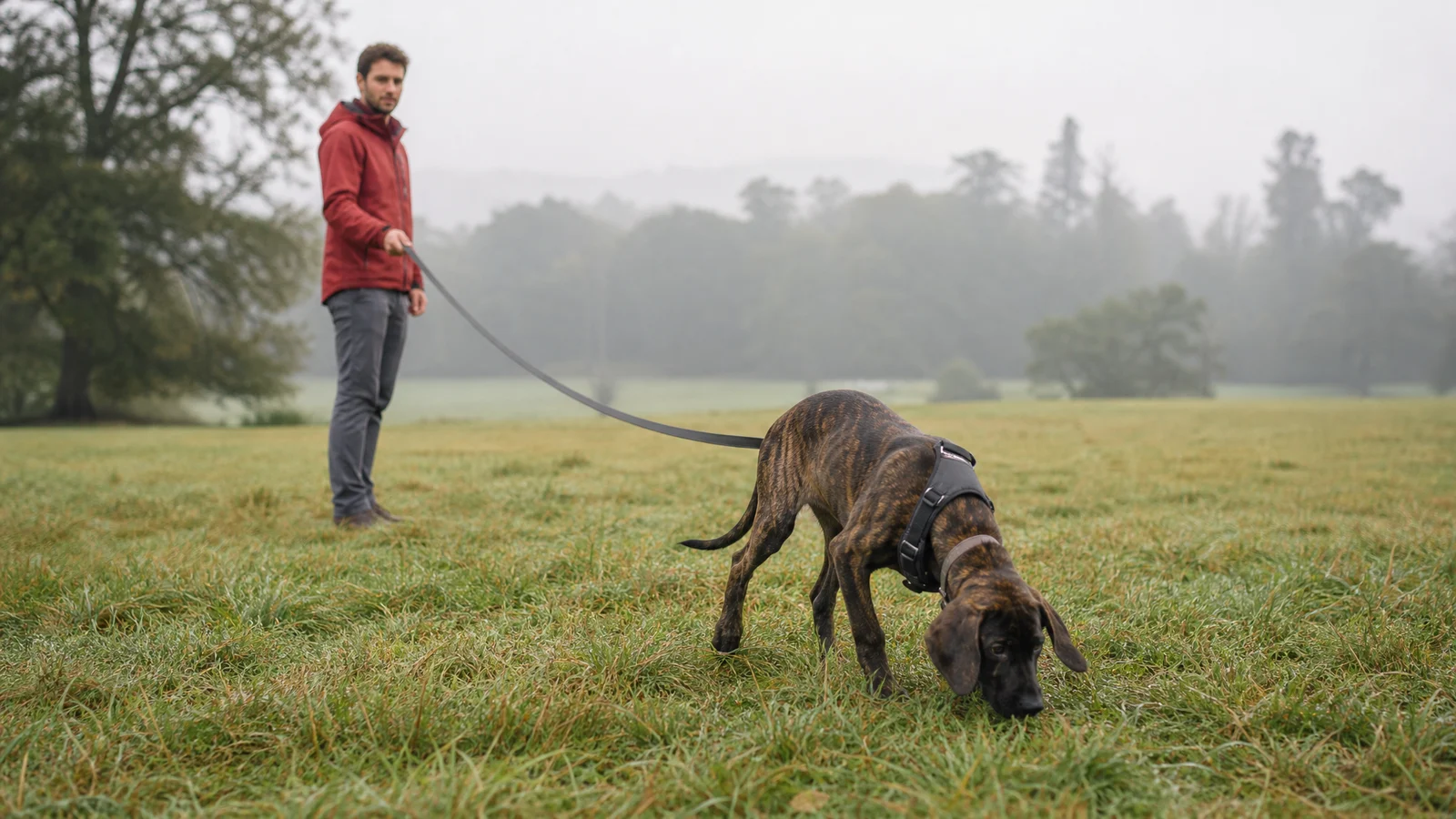 Puppy trainingWhat to Work on When Your Plott Hound Puppy Is 5 Months Old
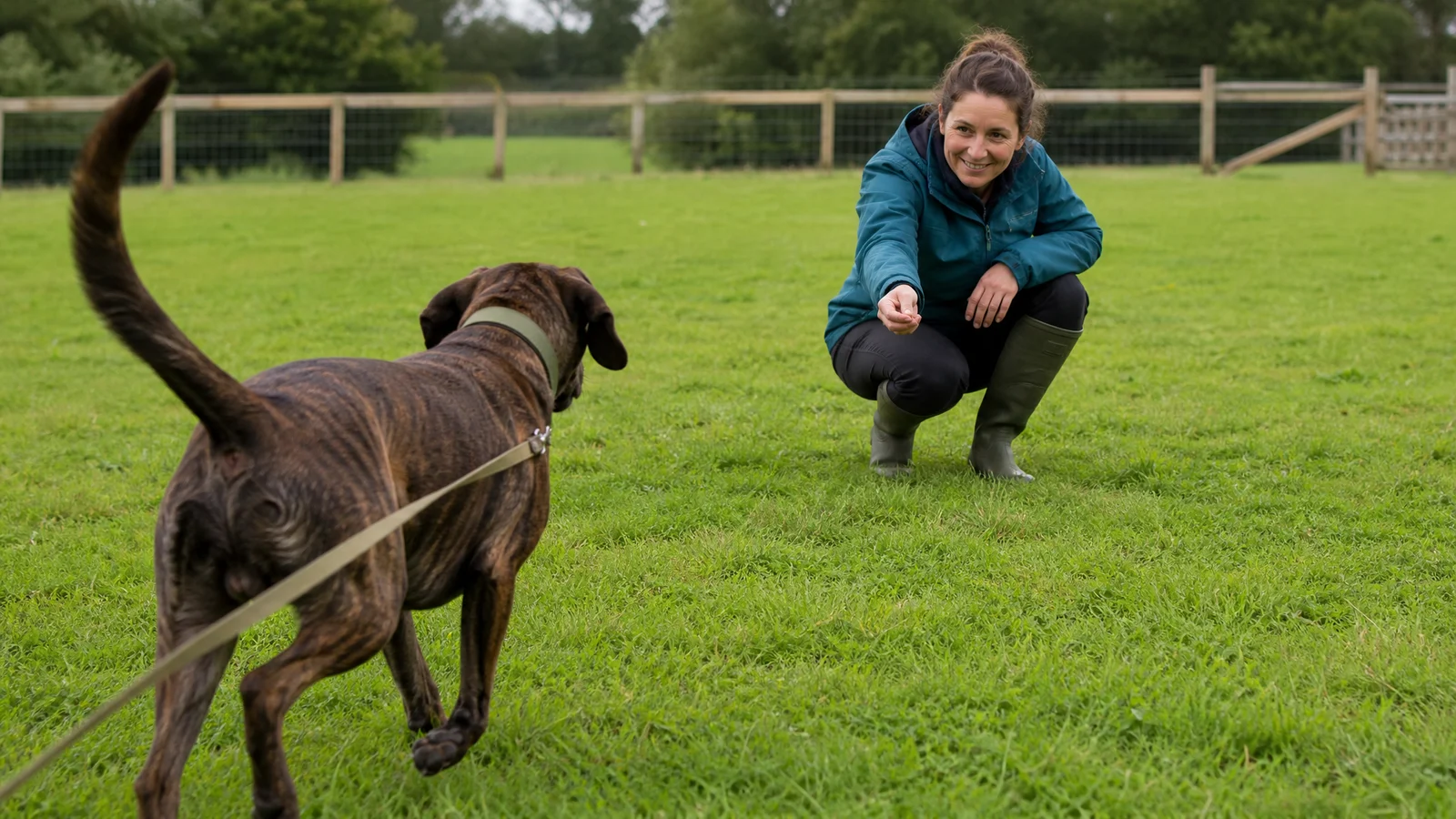 Training basicsReliable Recall for a Prey-Driven American Plott Hound