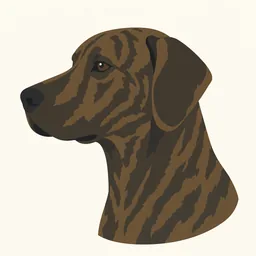
 Plott
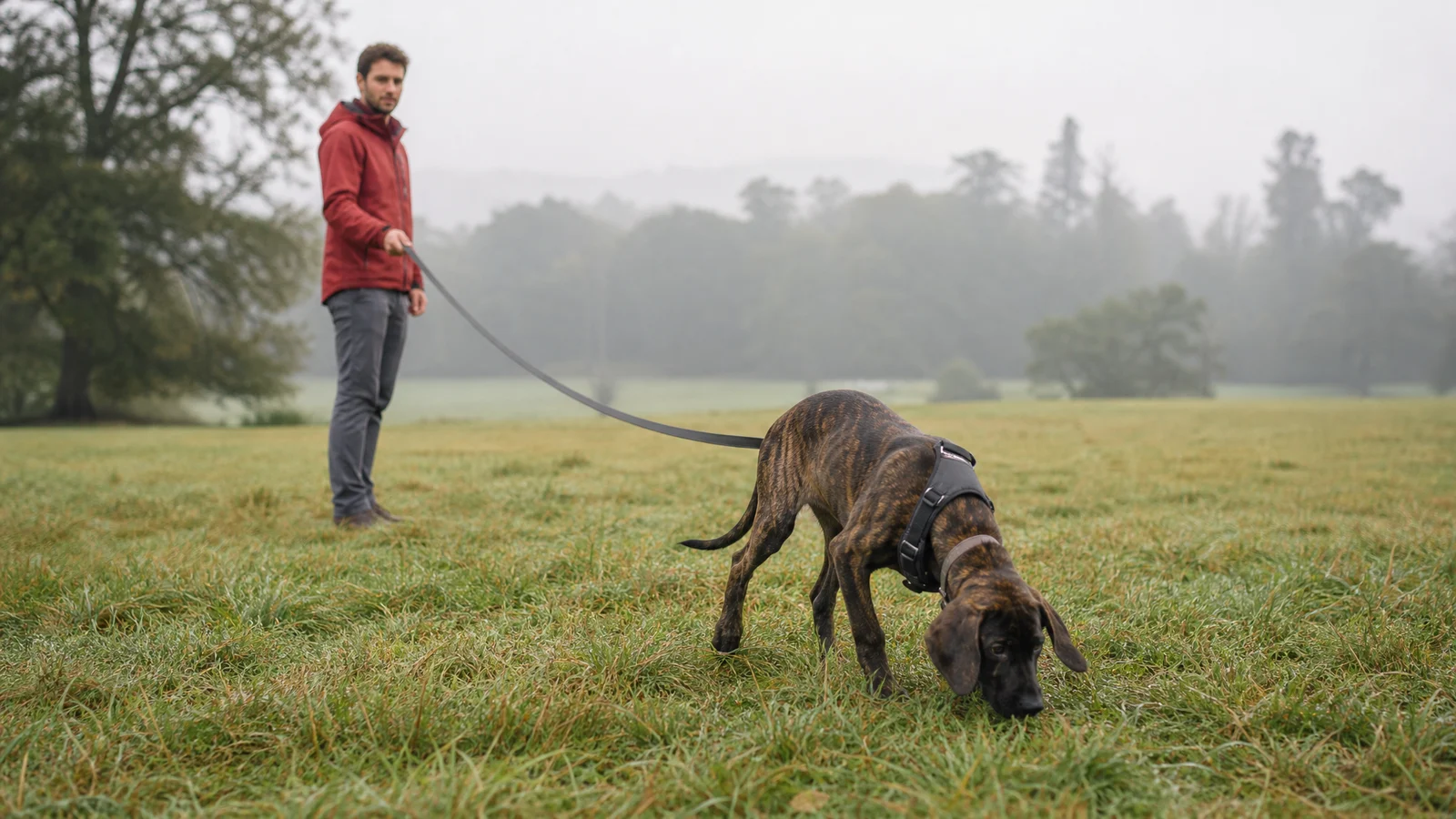
At 5 months, a Plott Hound puppy is well past the fuzzy baby stage and nowhere near grown. The legs have stretched, the nose never stops working, and a smart, willing youngster has started wondering whether yesterday's rules still count. This is the window to set habits that will follow them into adulthood.
Handled well, these weeks give you a loyal, funny companion who checks in with you on every walk. Handled loosely, they give you a loud puppy who hauls on the leash and invents their own entertainment.
This article looks at Plott Hound puppy training at this age, so you can pick the right treats and gear, arrange the house and yard, fit short sessions into your day, and give that nose a safe outlet. We have trained this breed for many years, and this is a stage where small habits pay off for a long time.
Treats for Plott Hound Puppy Training at 5 Months
Hold a pea-sized, soft, smelly treat near a Plott puppy's nose and watch the whole body lock on. That reaction is why food works so well with this breed. Scent is how they read the world, so a treat with a strong smell cuts through distractions that a dry biscuit never will. Training that is reward based works on a simple principle: when a puppy gets something they love right after an action, they are more likely to offer that action again.
Rewards That Earn Their Keep
Keep every piece tiny so a whole session never becomes a meal. Rotate through a small menu and notice which item makes your puppy's tail go fastest.
- Soft, strong-smelling bits of cooked chicken or cheese are for new skills and for anything done around distractions.
- A portion of the regular kibble pays for easy repeats at home, such as a sit at the kitchen counter.
- A short game of tug or a quick chase after a toy works when the puppy is too wound up to care about food.
- Life rewards, like the door opening, a sniff break or a friendly greeting, cost nothing and teach the puppy that good behavior unlocks the things they already want.
Save the best item for the hardest job, such as turning away from a fascinating smell. Playfulness runs moderate in this breed, so some puppies value tug less than a savory bite, and that is fine.
When the Puppy Starts Testing You
A puppy who nailed a cue last month may now stare past you as if the word is brand new. That is ordinary for a bright youngster checking whether the rules still pay. Make the task easier, move somewhere quieter and reward fast for the right choice. If play turns rough or mouthy, stop the game calmly, give a brief break and start again once the puppy settles. The pause teaches more than repeating the cue ever will.
Fading the Food Without Losing the Behavior
Fade treats gradually. Once a behavior is reliable, pay every other time, then unpredictably, and bring in life rewards. A sit can earn the opening of a door, a calm pause can earn the clip of the leash, and a long sniff can follow a stretch of loose-leash walking. A Plott puppy prizes access to smells, so those moments become strong payment. Keep a few real treats in your pocket for new skills and surprise jackpots.
Treats count toward your puppy's daily food, so many people take them out of the regular meal. This is general information only. Ask your veterinarian how much your growing puppy should eat, and keep up regular vet visits to track growth.
Harness and Long Line for Puppy Training Leash Manners
The first time a Plott puppy crosses a squirrel's trail on a walk, you feel it all the way up your arm. This is an extremely prey-driven breed, which is why they should always be walked on a leash. Gear will not teach manners by itself, but it keeps everyone safe and comfortable while the training does its work.
What Each Piece Does
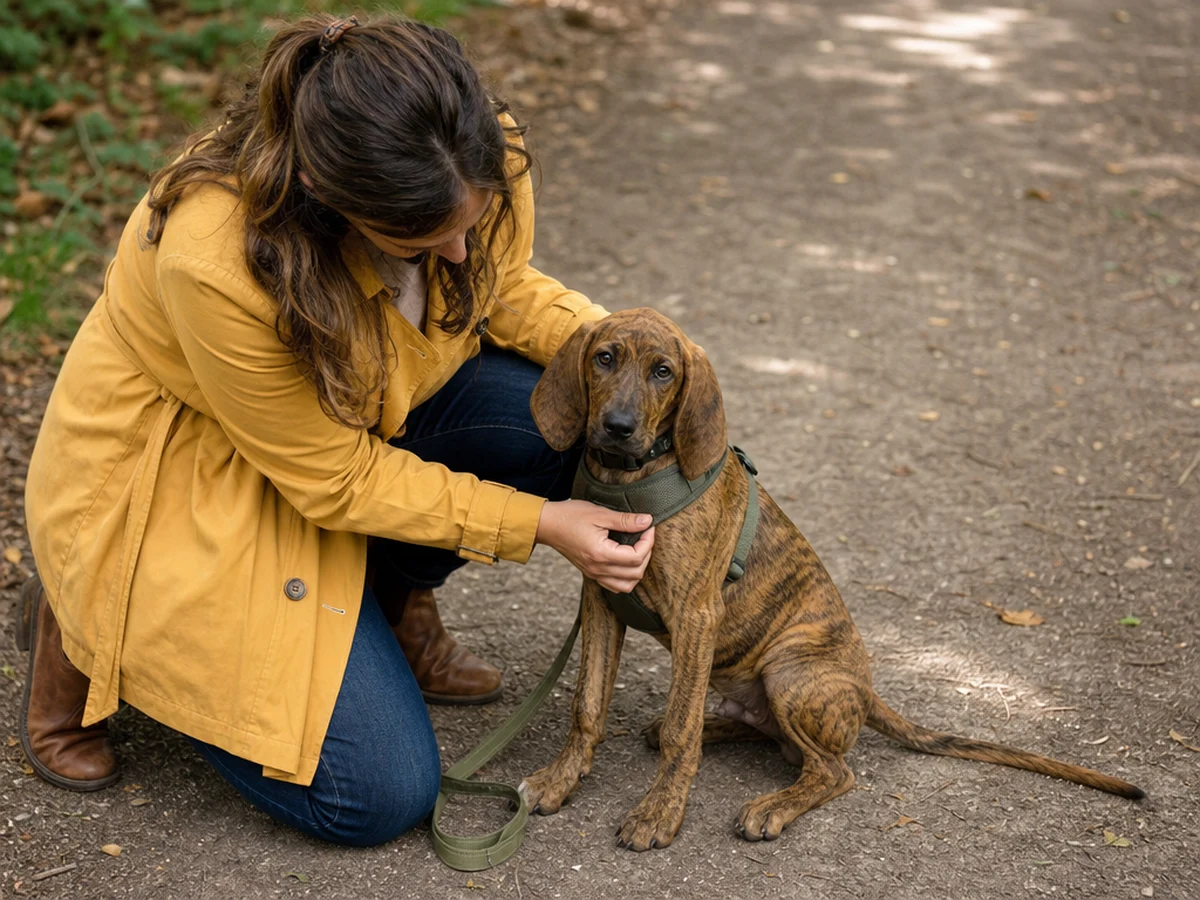
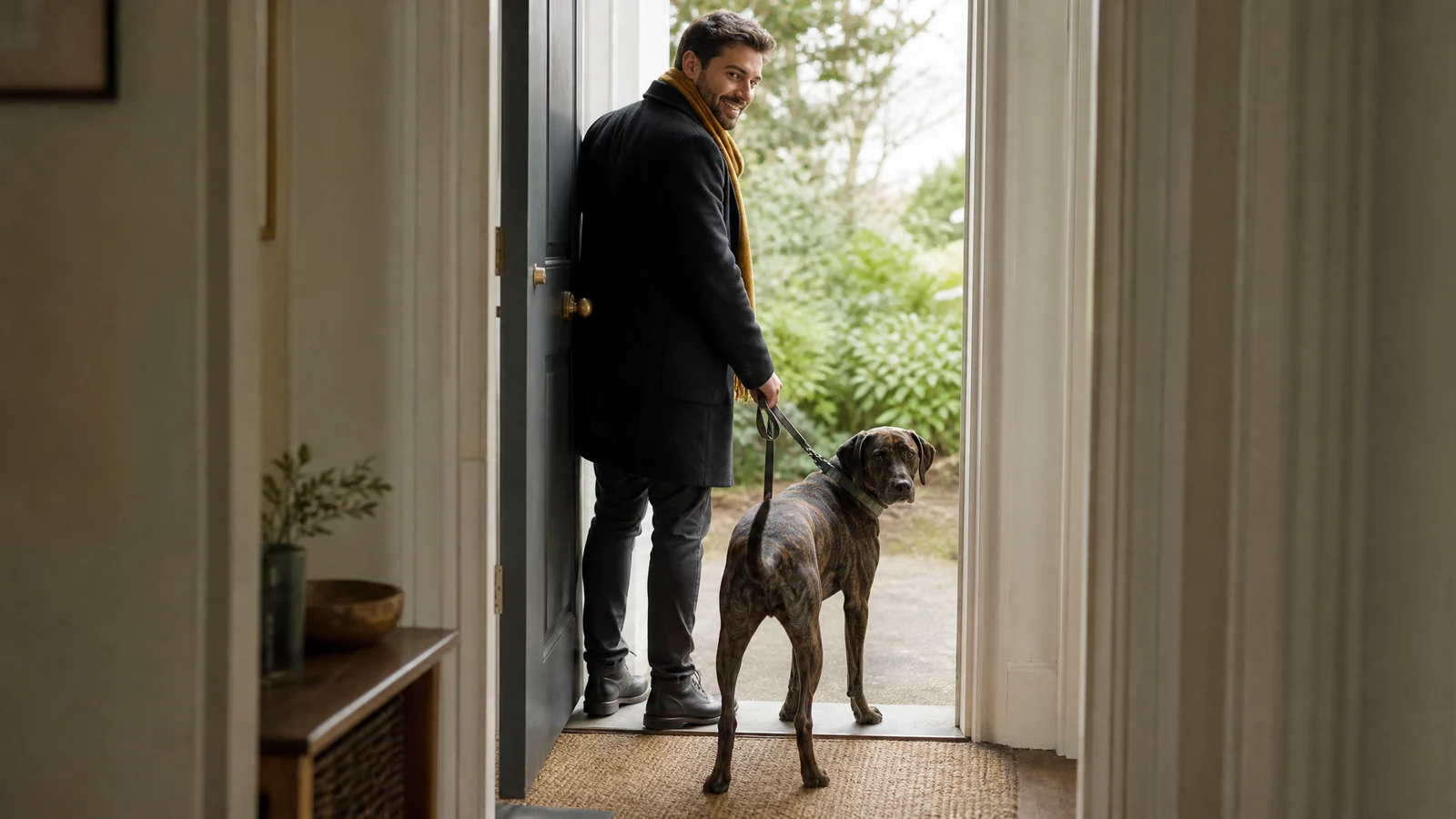
A well-fitted front-clip harness is the sensible starting point. With the leash attached at the chest, a hard lunge turns the puppy sideways instead of letting them power forward, so pulling gets them nowhere. Use a standard flat leash for ordinary walks. For open, safe spaces where the puppy can sniff and roam, attach a light long line to the harness and keep hold of the other end.
Teaching Loose-Leash Steps
Begin where there is little to chase, such as the hallway or the driveway, and build toward busier places in small steps.
- Deliver treats at your knee so that the most rewarding place to be is right beside you.
- Mark and pay whenever the leash hangs in a loose curve, even if it only lasts a few steps at first.
- When the leash goes tight, stop and stand still. The moment it slackens, praise and walk on, so slack is what moves you forward.
- Use a release cue such as "go sniff" to send the puppy to a patch of grass, which turns the smell they crave into a reward.
- If a scent proves too strong, turn and walk the other way, then pay the puppy for catching up with you.
Expect progress rather than perfection. A realistic goal at this age is loose-leash walking in short stretches with plenty of sniff breaks, not a whole hike at heel. Vary your routes, because a nose that meets new smells settles faster than one that circles the same block.
Crate and Gated Spaces That Prevent Puppy Training Setbacks
Leave a Plott puppy unsupervised for an afternoon and they will find a project, usually your shoes. A bright dog without enough to do invents amusements you will not enjoy, so smart management stops a habit before it forms. That is far easier than undoing it later.
The Crate as a Den
A crate works as a comfortable den, never as a punishment. Feed some meals inside, toss in treats while the puppy is not looking and offer a stuffed chew so that quiet time there pays well. Many Plotts are mellow indoors, and a crate habit lets that side show. Use the crate or a gated room for moments you cannot watch, like cooking dinner or answering the door.
Gates and the Feeding Spot
Baby gates let the puppy keep you in sight while limiting what they can reach. Feeding space deserves thought too, because Plotts can become possessive over food or toys unless they are taught otherwise. Let the puppy eat undisturbed most of the time. Now and then, walk up, drop something better than what they have and step away. The lesson is that a person nearby means more good things arrive.
The Yard
A securely fenced yard helps, but it still needs supervision. A bright, prey-driven puppy alone outside may chase wildlife, dig or practice their voice, and this breed has a carrying bawl and chop that the neighbors will hear. Stay out with the puppy, bring a chew or a scatter of treats, and head indoors when play slides into trouble.
Ten-Minute Puppy Training Sessions Built Into the Day
The breakfast bowl makes a handy classroom. Instead of setting it down, ask for a sit, then a wait at the kitchen door, then a come from across the room, and pay with the kibble. This puppy is smart and willing to learn, and short bursts suit that mind. They also leave the puppy wanting more.
What to Work on at This Age
Keep sessions short, and stop while your puppy is still eager. Mix a few skills into each one so nothing goes stale.
- A solid sit and down, paid quickly at first and then with a little more duration once they are dependable.
- A response to the puppy's name, which becomes the first step of recall.
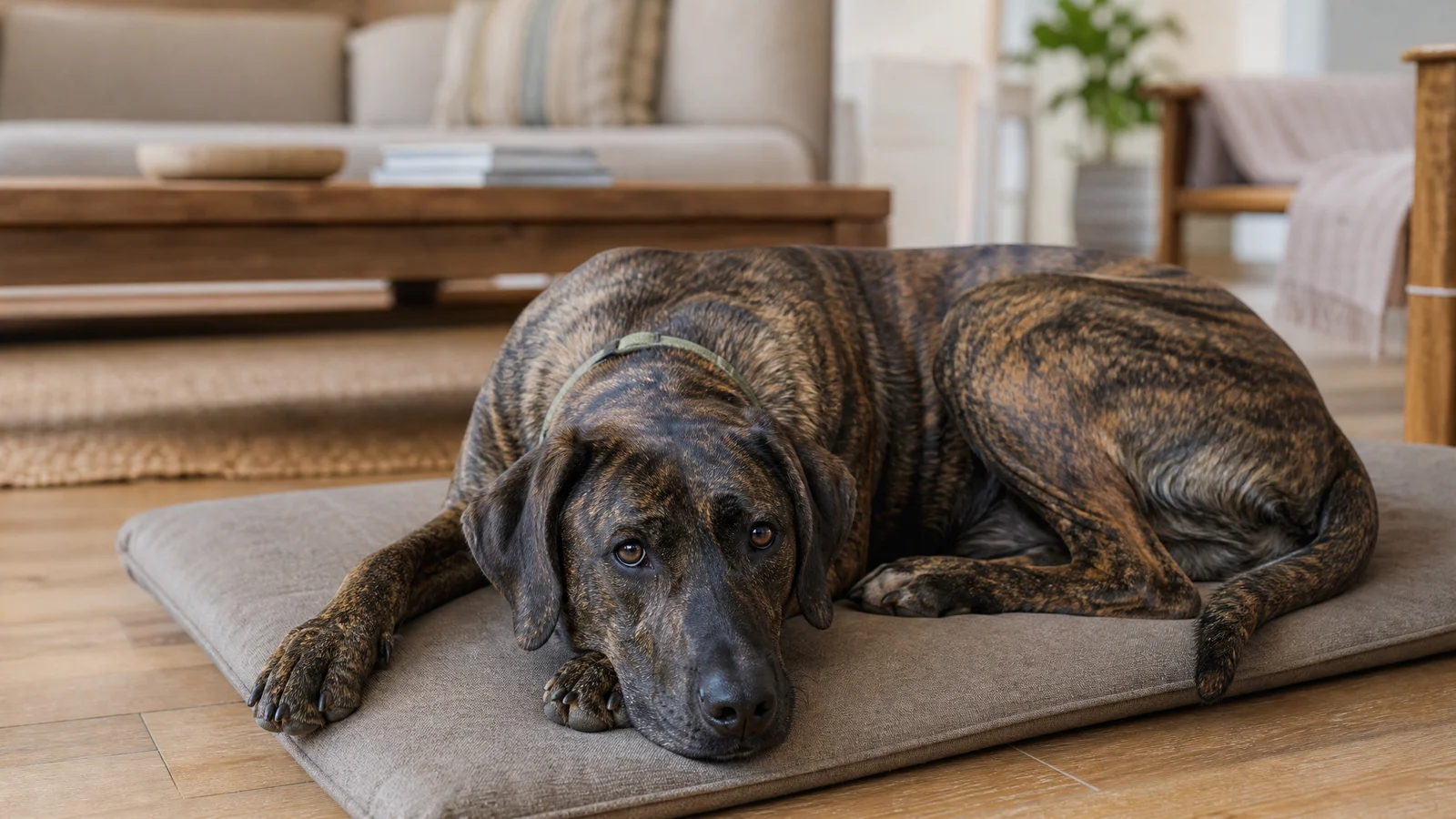
- A settle on a mat, so the mellow house dog has a spot to practice being calm.
- A hand target, a handy way to move the puppy past distractions without pulling.
- Waiting politely at doors and the car, with release as the reward.
Social practice belongs in the routine too. Socialize puppies thoroughly by letting them meet many kinds of people and other animals, always gently. A Plott can be a little standoffish since they are so focused, so give them room to walk up when ready and reward calm curiosity. Keep greetings short and pleasant.
Rewards also support a calmer puppy. A 2020 study of companion dogs compared training schools and found that pups from those using mostly aversive methods showed more stress behaviors and larger cortisol rises after training than pups from reward-based schools. Upbeat sessions are kinder and work better.
A Sample Week
Treat this plan as a template to adapt. The table shows how short sessions can sit inside an ordinary week.
| Day | Focus | Where it fits |
|---|---|---|
| Monday | Sit, down and name response | Before breakfast |
| Tuesday | Loose-leash steps with sniff breaks | Morning walk |
| Wednesday | Settle on a mat and crate rest | After lunch |
| Thursday | Recall in the yard on a long line | Evening play |
| Friday | Scent boxes and trading practice | Dinner time |
| Weekend | New places, greetings and review | Outings and play |
Recall Games for a Plott Hound's Nose
A puppy who has locked onto a trail can seem to go deaf, and it is not stubbornness. Their nose is simply louder than your voice. Training matters for managing the breed's powerful hunting instincts, so the aim is to give that drive a safe place to go and to make coming back more rewarding than whatever lies ahead.
What to Expect From Recall Now
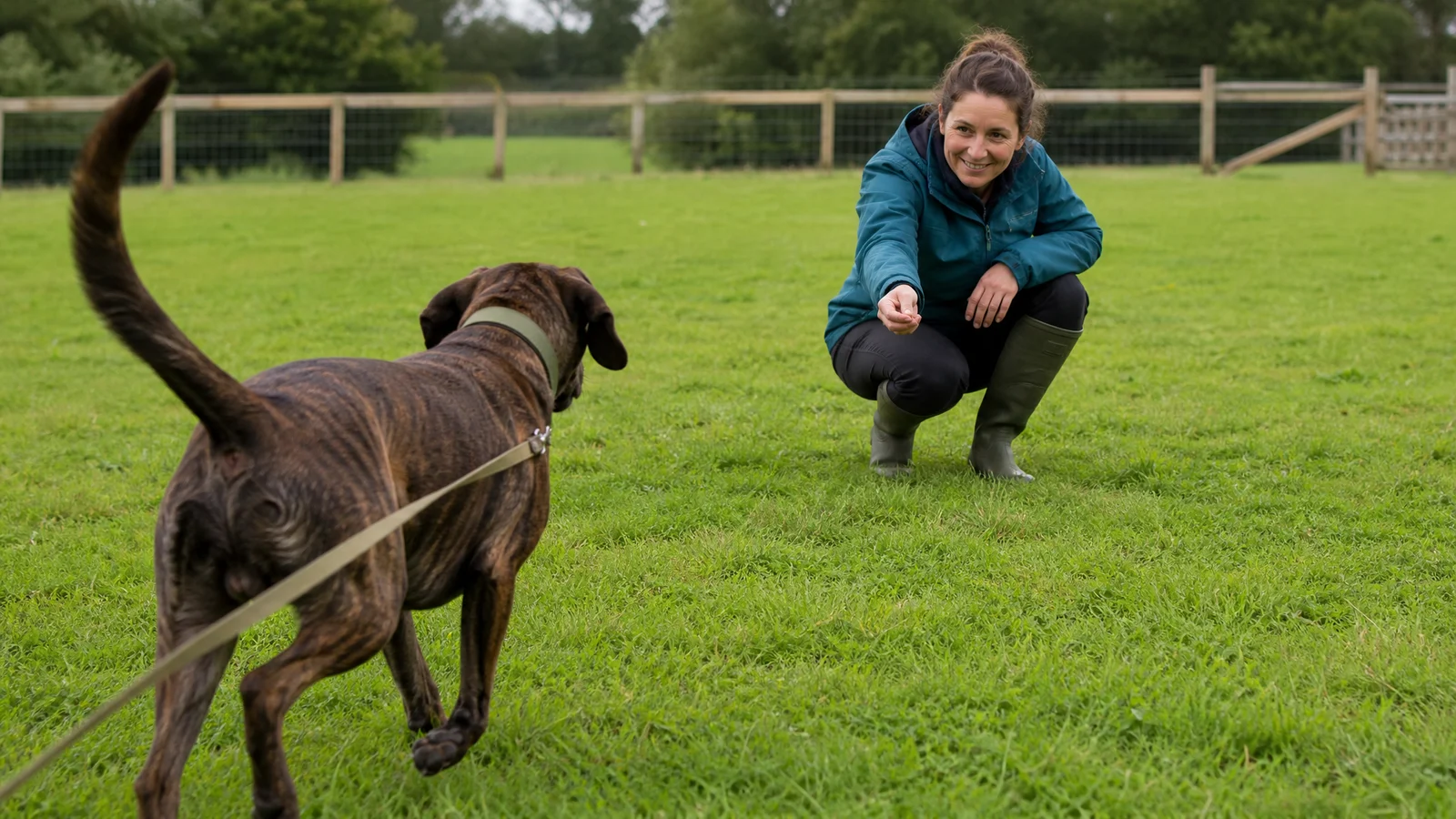
Start in a quiet room with a bright, happy cue and a jackpot every time. Move to the hallway, then the yard, always on a long line once outside. Call only when you are fairly sure the puppy will come, and celebrate when they do. At this age, expect dependable recall indoors and in the yard, but no off-leash freedom in open areas. A strong smell can overwhelm even a well-trained puppy, and safety comes first.
Scent Games That Feel Like Play
Scent work makes training feel like a game and wears out the mind. For a first nose work game, line up several open boxes and hide a fragrant treat in at least half of them, so the puppy finds rewards on their own. Later, scatter treats in the grass, tuck a few around the living room or roll food inside a towel. A tired nose makes a calmer puppy, and it answers the need for mental work that keeps a smart dog from finding their own fun.
Toy play counts too. Chasing a toy and bringing it back for a round of tug is simple, rewarded play and nothing more. Use it as a recall warm-up, finish with a treat and a happy release, and the puppy burns energy while practicing the habit of coming to you.
Plott Hound Puppy Training Questions Owners Ask Next
The thread through this stage is simple. A Plott puppy is bright, scent-driven and keen to work with you, so structure plus short, rewarded sessions carries them through the testing phase. Give the nose and the mind a job, arrange the spaces so mistakes are rare, and let freedom grow as the skills do.
Our experience with this breed's behavior and training is that owners who stay patient now get the loyal, affectionate adult the breed is known for. Keep routine vet checkups on the calendar through this growth spurt as well.
New questions tend to follow once the basics are in place. These are the ones to tackle next, and you can pick whichever matches what you are seeing this week.
- How do you keep a Plott puppy's big voice from becoming a daily problem, given how vocal the breed is?
- What is the next step for leash pulling once the puppy walks nicely in quiet places?
- How do you teach sharing so food and toys never harden into a guarding habit?
- Why does a puppy invent their own fun around the house, and how much mental work helps?
Whichever you choose, keep the rewards small, the sessions short and the mood cheerful.
 Training basicsReliable Recall for a Prey-Driven American Plott Hound
 Training basicsSettle on a Mat: Teaching an Off Switch to a Bold Plott Hound
 Training basicsReward-Based Plott Hound Training Tips for a Sharp Mind