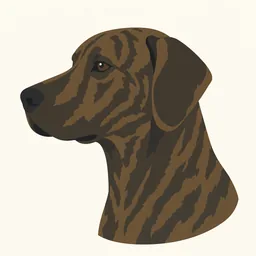
 Plott
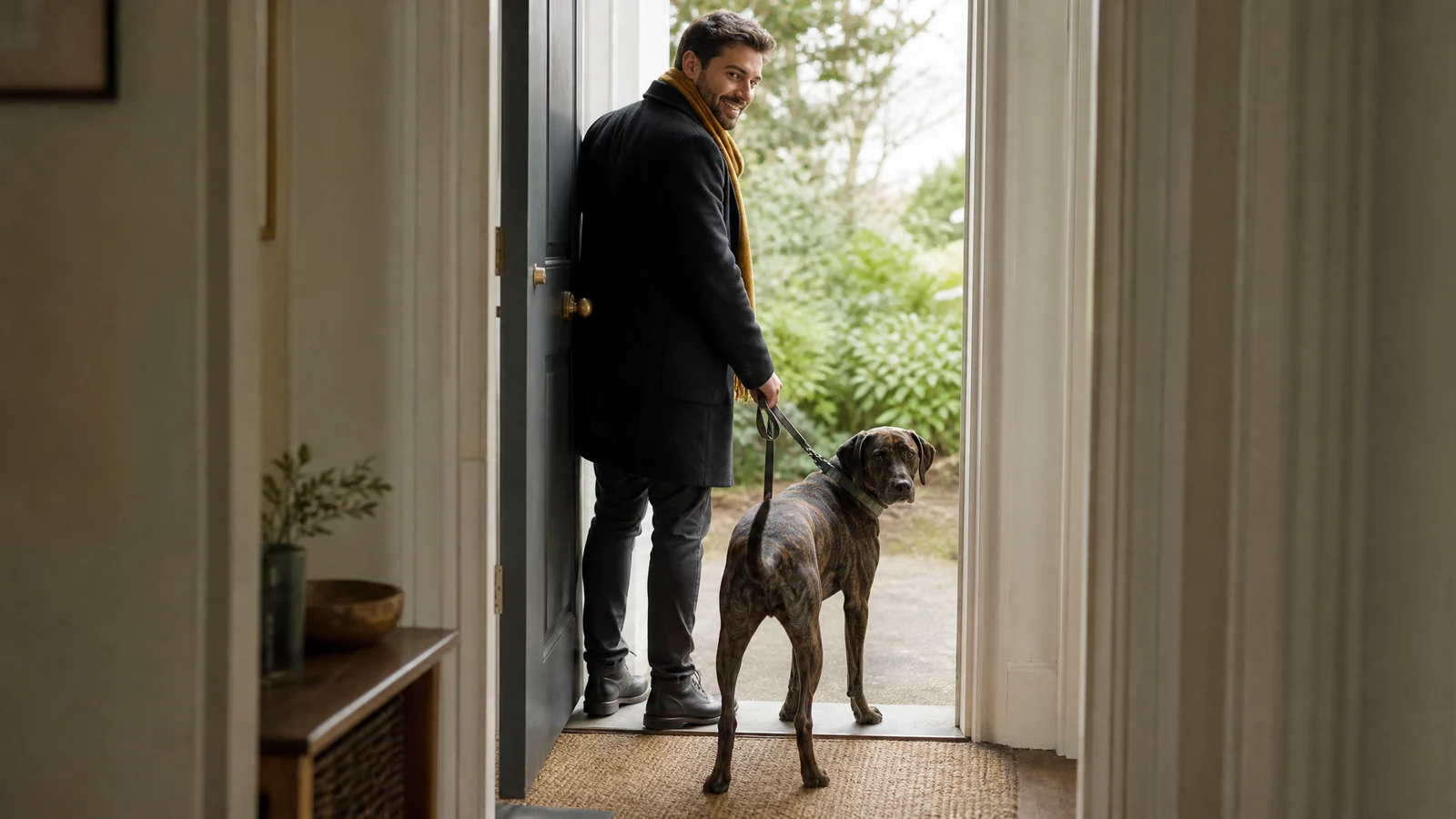
A sharp Plott Hound may master the motion of a cue while losing interest in repetitions that no longer have a purpose. Simply drilling longer can produce guessing and frustration. It can also create a dog who performs only in the practice room. The useful question is how to keep information precise while giving their mind a relevant job.
The breed is described as intelligent, alert, confident, and eager to please. Those qualities support training when the person marks exact choices, controls difficulty, and makes rewards relevant to the moment. We use the nine principles below like separate cards. Pick the one that solves today's problem, then return it to the deck when the lesson is clear.
Training Principle One Pays for the Exact Choice
A reward can strengthen only the behavior the dog connects with it. Suppose the marker lands while four paws are on the floor, but food arrives after a jump. The marker preserves the useful instant. Without that signal, the dog may reasonably conclude that jumping brought the reward.
Choose one marker and practice your timing on easy actions. Mark a glance toward you, a soft leash, or a paw touching the mat. Deliver the reward promptly, then pause before the next opportunity. The pause keeps one repetition from blurring into another.
The reward-based position is not a lack of boundaries. It teaches the wanted response while using management to prevent unsafe rehearsal. That distinction matters for a confident dog because clear access rules remove conflict without adding fear or pain.
- Mark the head turn, not the treat pouch opening that happens afterward.
- Feed where you want the next repetition to begin, such as beside your leg for loose-leash work.
- Add a release cue that clearly ends the current behavior.
Training Principle Two Gives the Plott Hound Predictable Structure
Structure means the dog can foresee how an opportunity opens. A calm pause can open the door, four paws on the floor can continue a greeting, and a check-in can release the dog toward a safe sniff. The consequence is dependable, so the dog does not need to test several louder strategies.
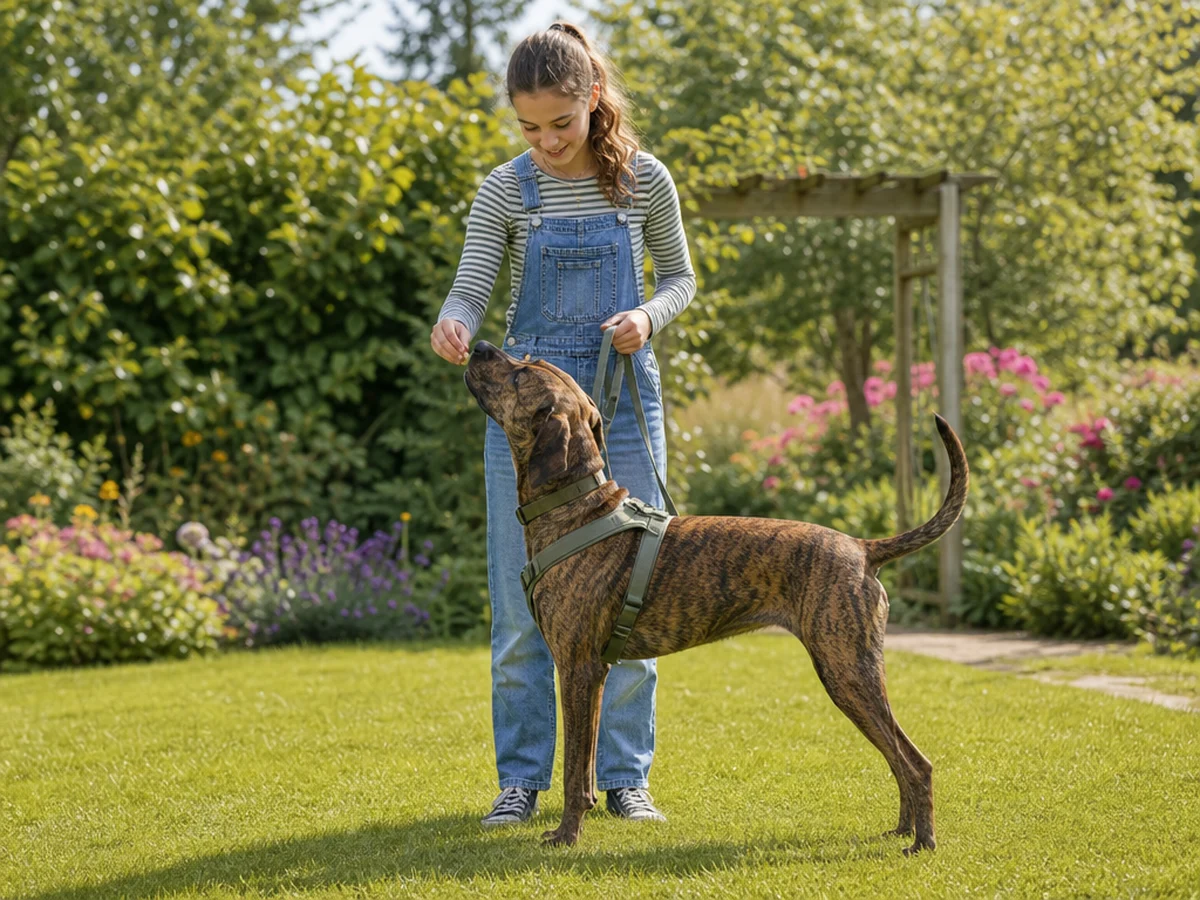
Put training inside routines that already happen. Before a meal, practice one name response. Before the leash clips on, reward a moment of stillness. During food preparation, reinforce the mat. These repetitions are brief, but they occur in contexts where the behavior has a real function.
Keep every family member on the same pattern. If one person opens the door during pulling and another waits for slack, tension sometimes works. Intermittent success can make the pull more persistent. Agree on the cue, criterion, reward, and release before asking the dog to sort out human inconsistency.
The Plott training calendar is useful when routines feel scattered. It assigns foundations to ordinary parts of the day, while this principle deck helps refine the quality of each repetition.
Training Principle Three Changes One Detail
Learning changes when duration, distance, distraction, location, or handler changes. Raise one of those variables while the others remain familiar. If you ask for a longer stay in a new room beside a visitor, you cannot tell which added difficulty caused the response to collapse.
Begin a new version below the dog's previous best. A mat settle that lasts a minute in the kitchen might begin with a few seconds in the hallway. A check-in that works indoors might start several yards from an outdoor distraction. Conservatism at the first repetition often creates faster progress later.
Variation should have a reason. Change the room because the cue needs to work around the home, not merely to surprise the dog. Change reward placement because you want the next position to improve. A smart dog benefits from relevant variation, while random challenges can make the rules feel unstable.
Training Principle Four Matches Rewards to the Job
Food supports precise delivery. It is not the only reward. Praise, play, movement, permission to sniff, access to a resting place, and the opening of a door can all strengthen behavior. The right reward is something the dog wants at that moment and can receive safely.
Match value to difficulty. Ordinary food may support an easy kitchen repetition, while a richer reward may be needed near a compelling smell. If the dog will not eat, consider whether the environment is too difficult before searching for stronger food. Distance can be more valuable than an upgraded treat.
Placement changes the lesson. Feed near your leg for a walking position, on the mat for settling, or close to your body for recall. Throwing every reward away from you can accidentally teach distance. Holding every reward at the nose can create dependence on a visible lure.
- For orientation: reward close to you, then release back to the safe activity.
- For calm: place food low and quietly rather than tossing it across the room.
- For movement: use a toy, a few quick steps, or access to a suitable sniff as the payoff.
- For hard choices: increase value and reduce difficulty at the same time.
Training Principle Five Protects the Plott Hound's Nose
The breed's history involved following scent with stamina and determination. That is context for why an outdoor smell may compete strongly with a person. Modern training can honor scent interest through secure, noncompetitive searching and permission-based sniffing, without rehearsing chase behavior.
Build sniffing into the reward plan. Ask for a brief check-in, mark it, then release the dog to investigate an appropriate patch while securely leashed. The environment becomes part of the reinforcement rather than an opponent you try to defeat with constant commands.
Indoors, scatter a meal in a snuffle mat or hide treats in easy, open containers. Keep searches simple enough that the dog succeeds without tearing, climbing, or becoming frantic. Mental work should finish with recovery, not leave the dog searching every cabinet for a hidden prize.
For walks, the Plott leash training notes divide locations by scent pressure. This prevents one loose-leash rule from being tested at full difficulty everywhere. Strong focus on odor is handled with distance, a secure leash, and a planned exit.
Training Principle Six Finishes Before Focus Frays
Training ends well when the dog still understands the game. Slower responses, frantic food taking, repeated scanning, scratching, wandering, or a sudden drop in accuracy can signal fatigue or excessive difficulty. Continuing after those signs often rehearses messy versions of the behavior.
End with an easy repetition, use the release, and provide water or quiet recovery. A session may last only a minute when the skill is new or the environment is challenging. The clock is less important than the quality of the dog's choices and their ability to disengage afterward.
Exercise and training also have separate jobs. The exercise overview emphasizes that needs depend on factors such as breed, age, health, and fitness. Physical activity can support welfare, but it does not explain a cue or replace a precise reinforcement plan.
Keep regular veterinary visits on the schedule, especially when age, health, or movement affects the plan. For boredom-related vocalizing, Battersea also identifies mental stimulation such as training and food puzzles as one useful part of the response.
Schedule demanding work when the dog is comfortable, not immediately after an exhausting outing. Protect growing dogs from unsuitable physical strain and ask a veterinarian about exercise for health limitations. A rested brain usually gives cleaner information than a depleted one.
Training Principle Seven Teaches Calm as a Skill
Calm is not simply what remains after energy has been removed. Teach it with a location, a low-key reward pattern, and manageable household activity. The dog can learn to move from engagement into rest without being physically held or directed through every movement.
Put a nonslip mat in a low-traffic room. Pay first for noticing the surface, then for approaching, stepping on, and eventually lowering the body. Feed between the paws and release before the dog decides to leave. The separate Plott Hound temperament lab explains how to raise duration and household distraction.
Reward spontaneous settling too. If the dog lies down while nothing exciting is happening, place a quiet reward nearby and continue your activity. Avoid calling them up for payment. Calm choices become more valuable when reinforcement arrives without turning rest into another burst of action.
Training Principle Eight Reads the Miss
A missed cue supplies useful information, not proof of defiance. Ask whether the dog heard it, recognized it in that setting, valued the available reward, and felt safe enough to respond. Then change one condition before trying again. Repeating the same cue at the same difficulty adds noise.
If the dog succeeds indoors and not outside, reduce environmental pressure. If they begin correctly and fade, shorten the session. If only one handler gets a response, compare marker timing and reward placement. If familiar behavior changes abruptly, pause the plan and discuss the change with a veterinarian.
Keep the record factual:
- Name the location and the event occurring just before the cue.
- Record the dog's first observable response rather than assigning an attitude.
- Note which adjustment restored comfortable engagement.
- Set the next attempt slightly below the point of difficulty.
This process protects trust because the person takes responsibility for arranging a learnable problem. It also prevents intelligence from becoming a label used against the dog. A sharp mind cannot answer a question whose conditions were never taught.
Training Principle Nine Measures the Plott Hound Mind
Useful progress appears as flexibility. The dog can perform a familiar action in a slightly new setting, recover after a distraction, and return to the activity without persistent tension. They may offer the trained alternative before the cue because the household pattern has become clear.
Do not measure intelligence by how many tricks fit into a week. Measure whether communication becomes easier, the dog can make safe choices, and both parties finish practice ready to engage again. That evidence supports adding one thoughtful challenge rather than chasing constant novelty.
Signs the plan is working include quicker orientation, softer movement, reliable releases, and easier recovery. Signs to seek help include fear, prolonged inability to settle, behavior that creates a safety risk, or a sudden change from the dog's normal pattern. Start sudden changes with a veterinarian and choose a qualified reward-based professional for hands-on behavior support.
Pick one principle card today. Improve the marker, simplify one variable, or change the reward placement. A focused Plott Hound does not need a busier teacher. They need a clear one who can recognize when the lesson is understood and let the mind rest.
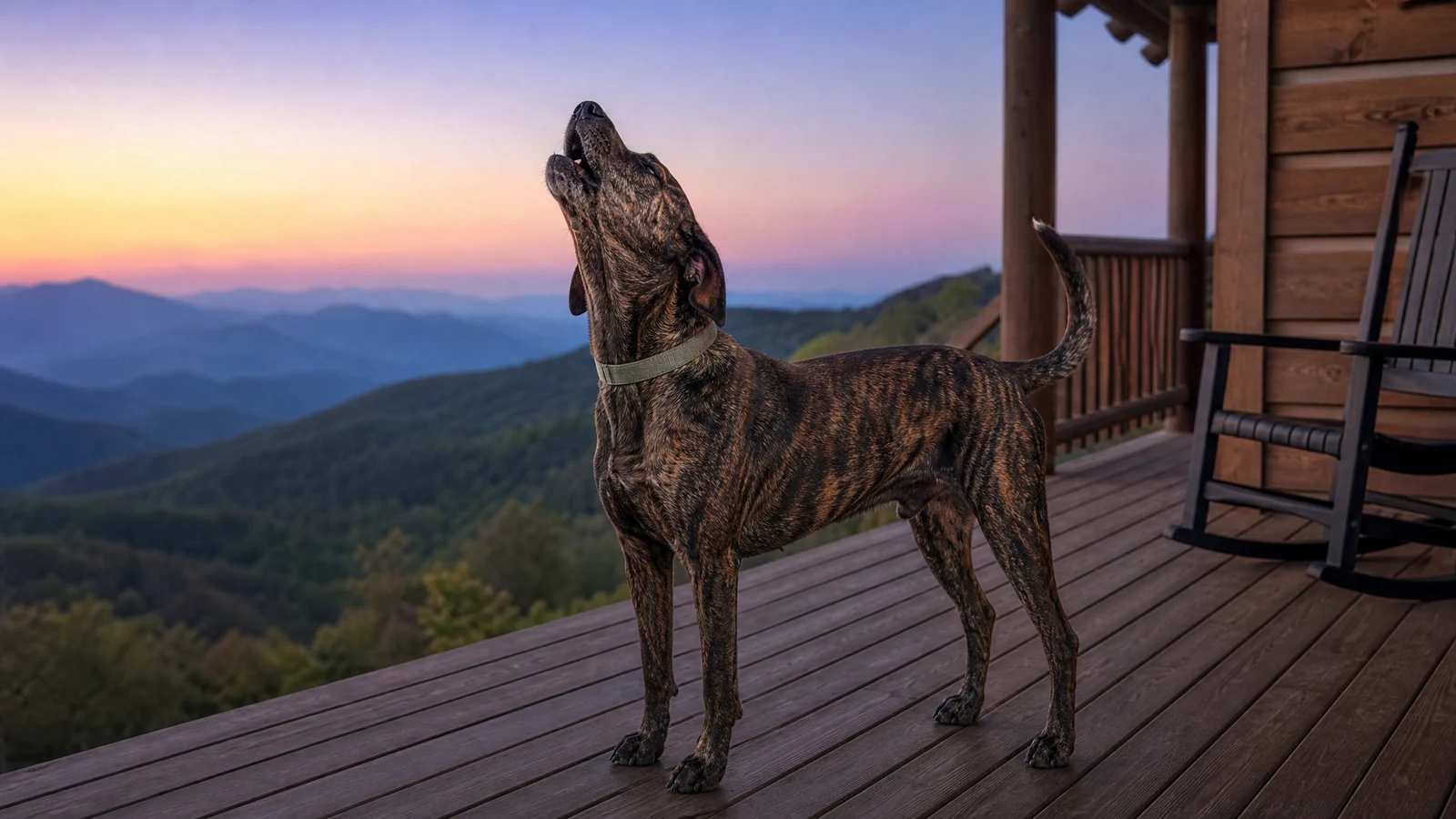 BehaviorManaging a Plott Hound's Chop and Bawl With Rewards
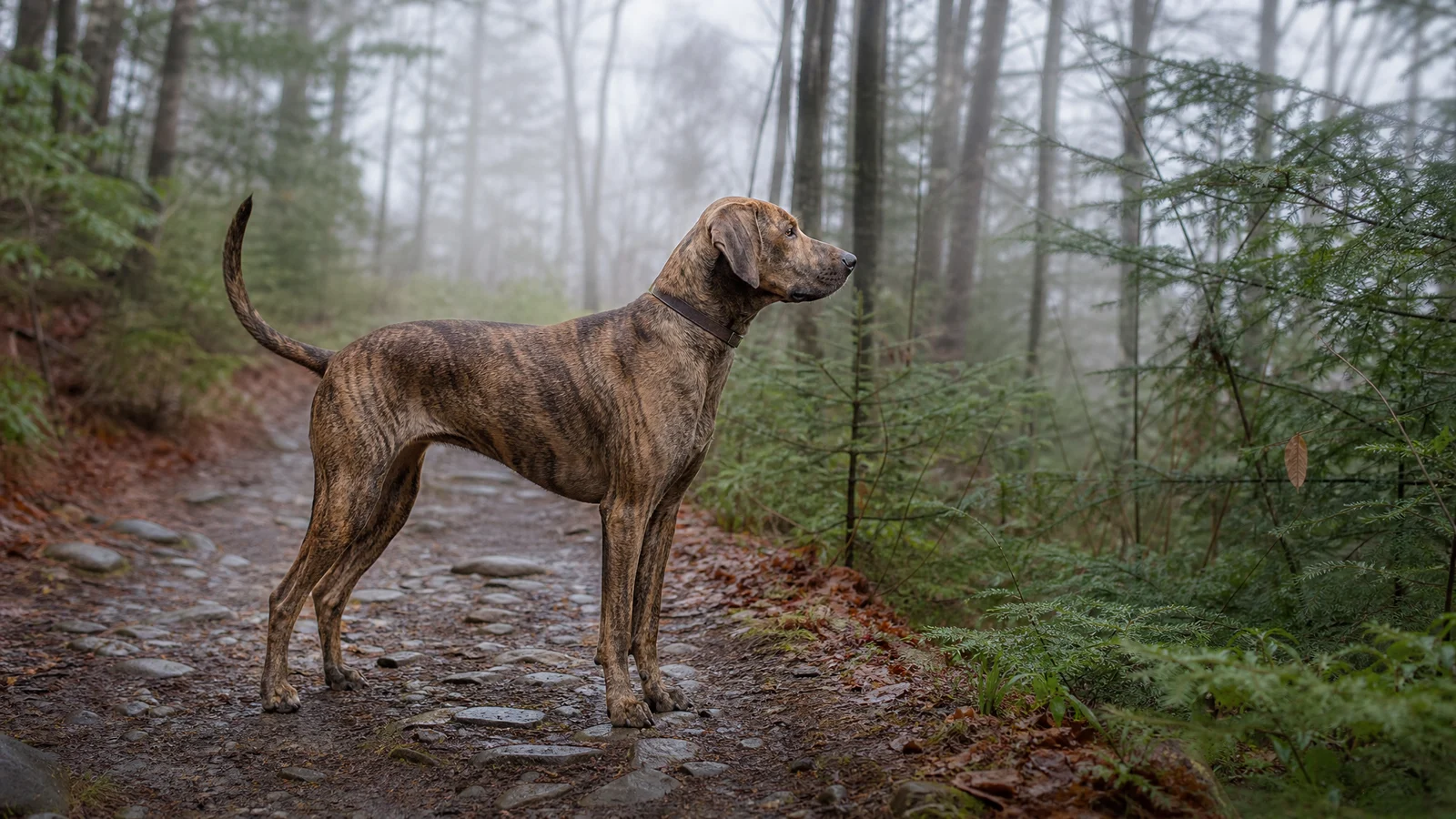 BehaviorBreaking a Plott Hound's Stare at Wildlife and Walking On
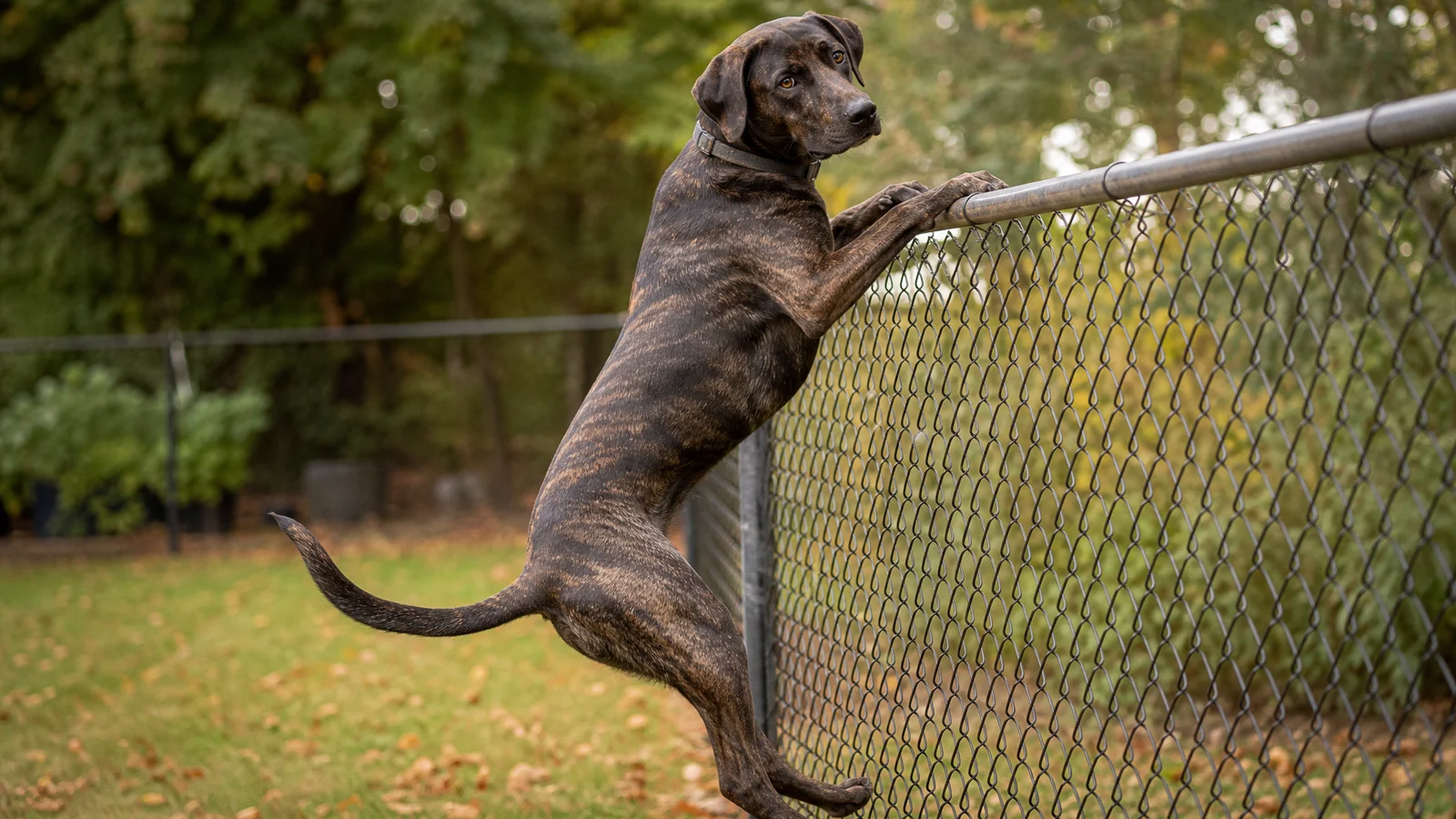 BehaviorHow to Keep a Plott Hound From Climbing and Escaping the Yard