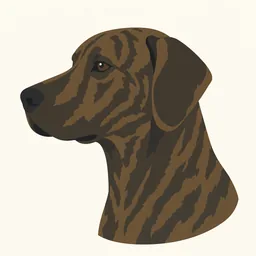
 Plott
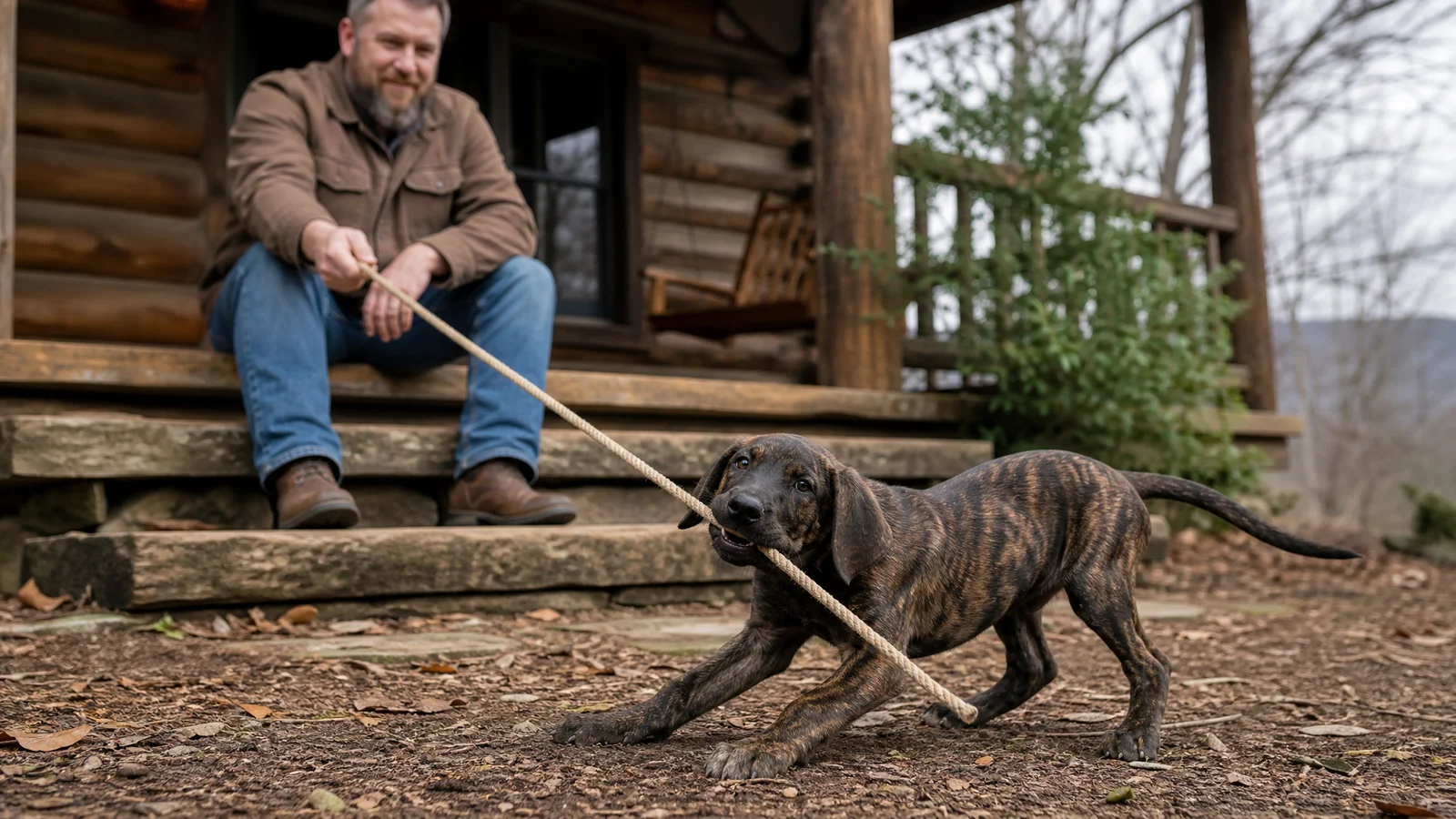
A Plott Hound puppy can put teeth on hands for several different reasons. They may be exploring, inviting play, seeking relief from chewing pressure or losing control when overtired. The same response will not fit every state, even when the contact looks similar to the person.
In this guide, we will identify the mouth state, prepare legal chew textures, teach a consistent hand-to-object transfer and pause social play without adding excitement.
The household tracks pressure, frequency and transfer speed instead of expecting an instant end to normal exploration. Those measures show whether the puppy can choose a legal object earlier and with a softer mouth. Late-day contact gets its own decision. When the puppy can no longer use the transfer, rest and a quieter environment replace another round of increasingly exciting toys.
Plott Hound Puppy Training Starts With Mouth State
Observe what happened in the minute before contact. A puppy waking and sampling a sleeve differs from one racing after moving hands during play. The response begins with the state, not with the color of the coat or a prediction that every Plott puppy develops alike.
| Mouth state | Clue | First response |
|---|---|---|
| Explore | Slow sampling, new object or person | Offer a legal texture and guide the environment |
| Play | Bouncing, chasing hands or clothes | Freeze movement and transfer to a toy |
| Chew need | Persistent pressure on firm objects | Offer an appropriate chew and quiet station |
| Overtired | Fast repeated contact, poor response, frantic movement | End interaction and support rest |
Keep a short record for three days. Note time, activity, body state and what helped. A repeated late-evening cluster points to a different plan from contact that happens only when a person waves sleeves during play.
Pressure Clues in Plott Hound Puppy Training
Record whether contact was a light touch, a repeated grab or sustained pressure. Pressure can rise with arousal even when the original state was play. Stop the interaction earlier the next time instead of waiting for the hardest contact.
Recovery Confirms the Puppy Training State
A playful puppy may switch to a toy and remain loose. An overtired puppy may reject the toy and continue grabbing after the person freezes. The response to the first transfer helps classify what should happen next.
Normal mouthing still needs guidance. The Best Friends mouthing guide emphasizes that everyone should respond consistently. Mixed rules teach the puppy to keep testing which person permits teeth on skin.
Legal Chews for Plott Hound Puppy Training
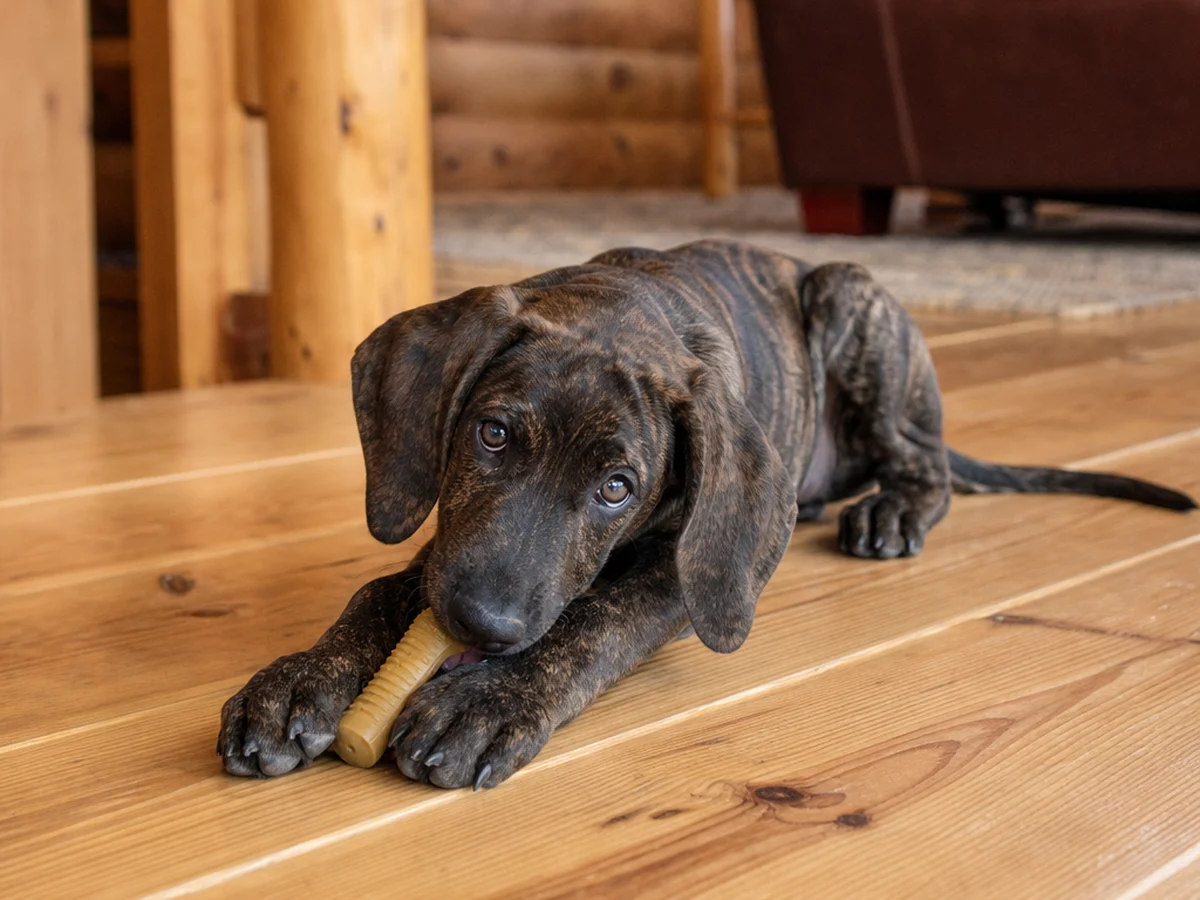
Create stations where chewing is welcome. Place one near the family seating area, one by the puppy's resting space and one beside the route used after outdoor activity. A chew that is stored across the house will arrive too late for a fast transfer.
Choose age-appropriate items with veterinary guidance and supervise until you know how the puppy uses them. The object should be large enough to handle safely and in good condition. Remove damaged items and rotate textures rather than presenting a crowded pile.
The ASPCA enrichment guide includes chewing, smelling, chasing and scavenging among useful canine activities. A legal chewing outlet is one part of the day, alongside movement, food searches, social learning and sleep.
Make the station valuable before a difficult moment. Place the chew there, sit nearby and reward the puppy for engaging with it. Release after a short success so the station does not predict that social contact always disappears.
Texture Rotation Has a Purpose
Offer one soft, one flexible and one veterinarian-approved durable option across separate sessions. Record which texture supports calm chewing rather than frantic shredding. Rotation should reveal preference, not create a pile the puppy guards or dismantles.
Store special items between sessions and inspect them before reuse. A familiar legal object should arrive quickly during transfer, while anything damaged or small enough to swallow leaves the rotation immediately.
- Soft food-safe toy for a gentle transfer.
- Longer toy for play that keeps hands farther away.
- Veterinarian-approved chew for quiet, supervised use.
- Food search for a puppy who needs movement to come down.
The Hand-to-Chew Puppy Training Transfer
Practice the transfer before teeth touch skin. Move a toy along the floor, mark the puppy's choice to grab it and play briefly. Let the toy become the obvious target while hands remain still and uninteresting.
- Freeze the hand or clothing instead of pulling it away quickly.
- Present the prepared toy low and slightly away from the body.
- Mark the puppy's mouth moving onto the toy.
- Continue gentle play or release the toy as the reward.
- End with a food scatter or rest if arousal keeps climbing.
Fast movement can turn hands into chase targets. Keep the transfer smooth and avoid waving the toy against the puppy's face. If the puppy cannot shift, stop the interaction and use a gate or pen route to a calmer activity.
Practice with the person seated first, then standing and finally walking one slow step. Return to the seated version when clothing movement makes the puppy miss the toy. Position is a training variable, not proof that the transfer stopped working.
Change the toy separately from the person's movement. A long toy may be easiest while standing, while a smaller soft item works during seated practice. If both change together, the family cannot tell which detail caused the missed transfer.
The PDSA chewing guide recommends redirecting to a safe toy and praising that choice. Reward the object the puppy should use, then manage the environment so forbidden textures are not repeatedly available.
Play Resumes Through the Toy
When the puppy takes the toy, restart movement at a lower level. This makes the legal object the route back to social play. If grabbing becomes harder or contact returns immediately, the puppy may need a reset instead of another transfer.
A Pause Ends Skin Contact
If teeth return to skin, stand still and end access for a brief moment by stepping behind a gate. Return calmly with the toy ready. The pause is information, while the prepared object shows how interaction can continue.
Puppy Training Around Clothing and Children
Loose sleeves, robe belts and moving pant legs are easy chase targets. During the learning period, choose fitted clothing and pick up hanging fabric. Management prevents the puppy from practicing a game that is difficult for people to ignore.
Children should not deliver the transfer or stand still while a puppy jumps and mouths. An adult uses a gate, leash or separate area before play becomes fast. Children can toss treats into a food search from a safe distance under direct supervision.
Post a household script where everyone can see it: freeze, offer toy, mark the switch, pause if teeth return. Keep toys at each interaction point. Consistency matters more than a dramatic reaction.
Review the script with adults before the puppy enters the room. People often remember the toy but forget to freeze their hands or end the interaction. A short rehearsal makes the human sequence available when the puppy moves quickly.
The broader Plott puppy training guide covers recall, crate setup and daily sessions. This article stays with mouth state and transfer. Use the wider routine to protect sleep and provide appropriate activities around the specific skill.
Visitors should receive the same rules before meeting the puppy. Seat them behind a gate at first, provide a toy and keep greetings short. End while the puppy can still choose the object rather than waiting for clothing contact.
Four Words Keep the Household Consistent
Use the same short sequence: freeze, present, mark, pause. Avoid adding excited speech while the puppy is deciding. A shared script helps people respond at the first light contact instead of waiting until the puppy is hanging from fabric.
Rest Resets Overtired Plott Hound Puppies
Overtired mouthing often becomes faster and less responsive. The puppy may race, grab repeatedly and reject toys that worked earlier. More active play can intensify the spiral, so change the environment instead of increasing the game.
Lead the puppy to a familiar safe base with water, a quiet activity and reduced household traffic. Dim stimulation and allow rest without using the space as an angry consequence. The aim is recovery, not isolation after a mistake.
Set up the route before the difficult hour. A gate should open easily, water should be ready and the resting space should not require carrying a struggling puppy across the room. Good logistics keep the human response quiet and repeatable.
After rest, offer a bathroom trip and one calm activity rather than restarting the game at full speed. If the puppy returns to hard contact immediately, the day may need a longer recovery period and fewer stimulating transitions.
Track sleep before changing the transfer itself. If the same toy works after a nap but fails late in the day, the skill may be intact. The schedule, not a more exciting object, becomes the useful place to intervene.
The Daily Rhythm Explains Repeated Spirals
Review the daily rhythm. Puppies need frequent bathroom breaks, meals, short learning, social time and substantial sleep. The Battersea puppy guide notes that young puppies need more frequent bathroom opportunities because control is still developing.
If one time of day repeatedly produces hard contact, schedule a quiet transition before it. A short sniff, bathroom trip and rest may prevent the pattern more effectively than trying to redirect after the puppy is already frantic.
Measure Puppy Training by a Softer Mouth
Track three changes: pressure on skin, number of contacts during a comparable interaction and how quickly the puppy transfers to an object. Improvement may appear first as a gentler mouth, then fewer repetitions and finally an offered toy before contact.
We recommend regular veterinary visits. A sudden change in chewing, eating, sleep or tolerance deserves prompt veterinary attention. Seek qualified behavior help when contact is stiff, sustained, difficult to interrupt or accompanied by guarding or fear. Prevent child access while the concern is assessed.
Compare the same kind of interaction each week. A calm morning greeting should not be measured against a busy evening with visitors. Look for lighter pressure, fewer contacts and a quicker object choice in comparable conditions.
Keep the station stocked before family activity starts. Prepare one chew station and rehearse the transfer twice before the puppy becomes excited. Then end with rest. A useful puppy training plan makes the legal choice easy to find, keeps every person consistent and notices the softer mouth that appears before mouthing fades.
 Training basicsA First Month Training Plan for a Smart, Focused Plott Hound
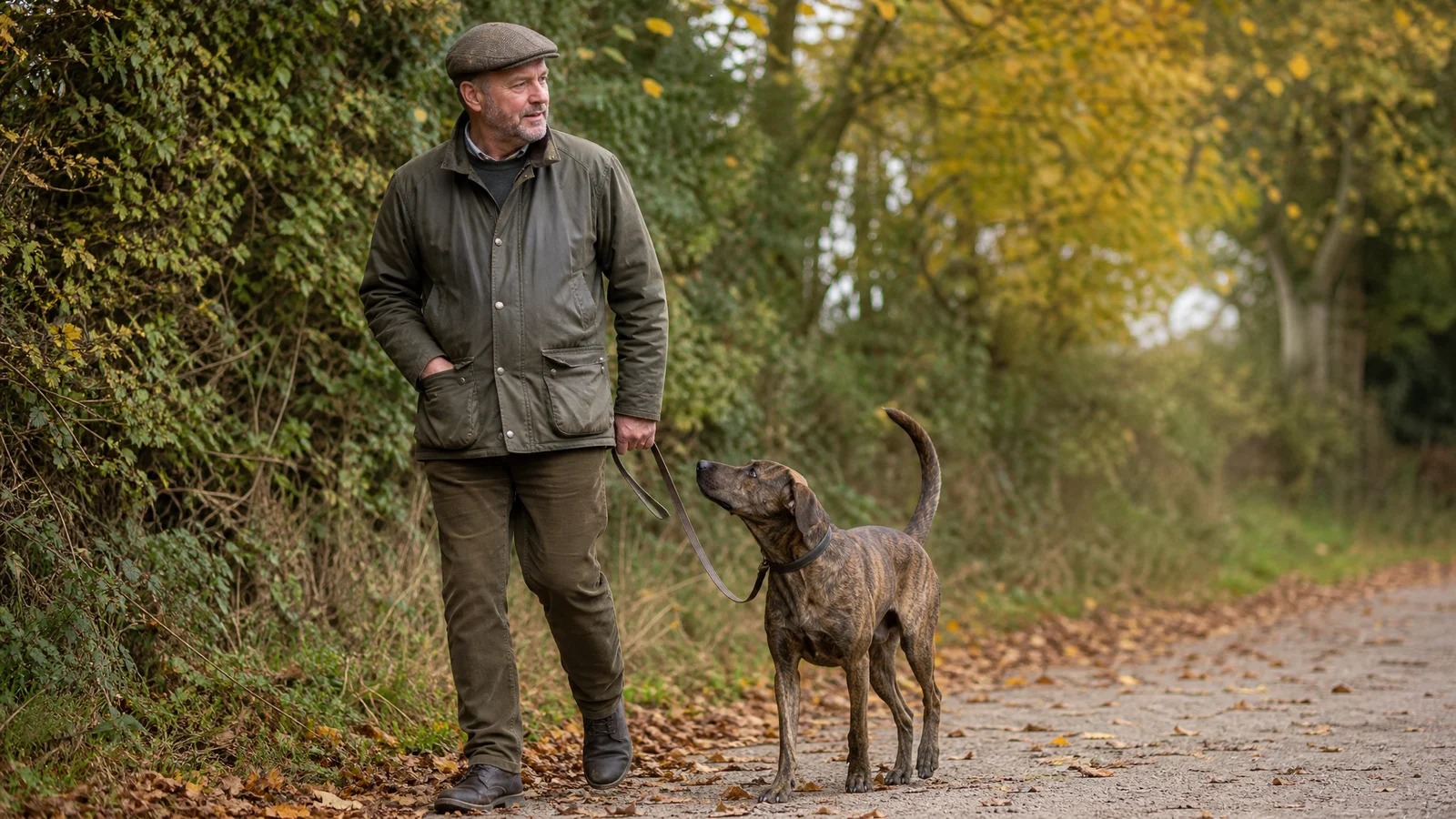 Training basicsTraining a Plott Hound to Walk on a Loose Leash Past Smells
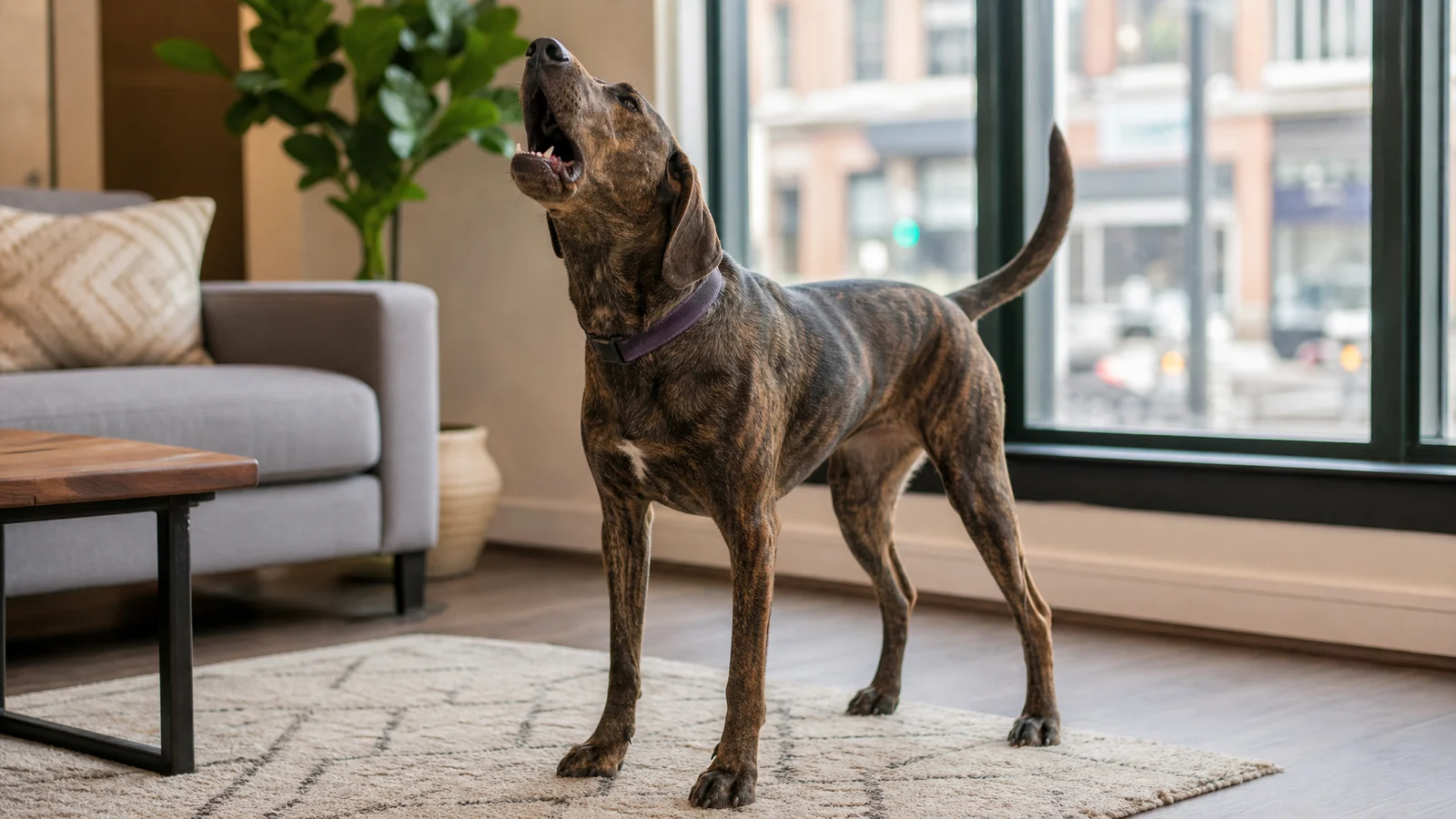 BehaviorPlott Hound Barking and Baying: Can They Live in an Apartment?