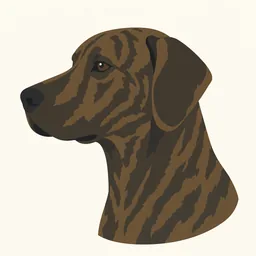
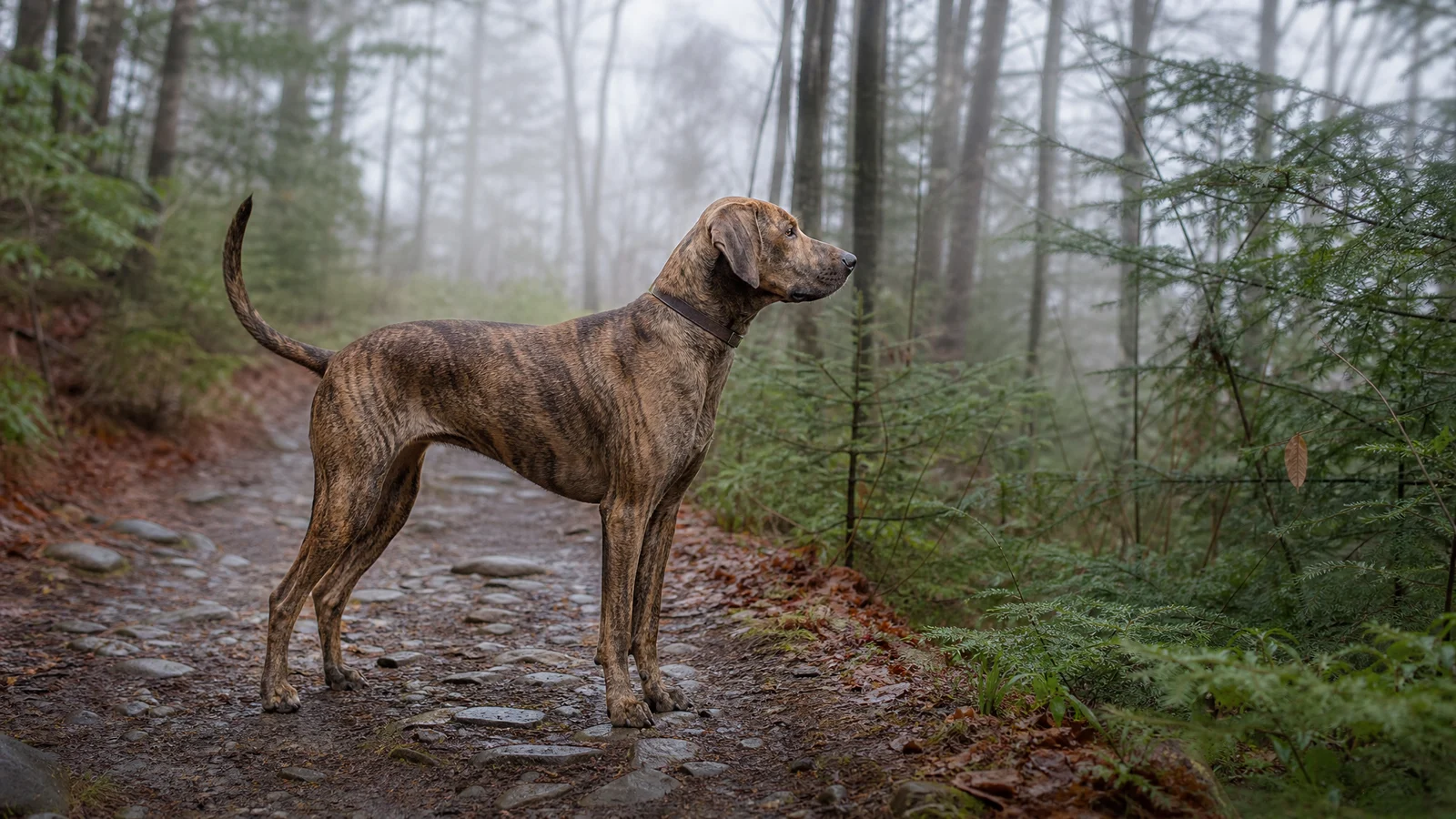
 Plott
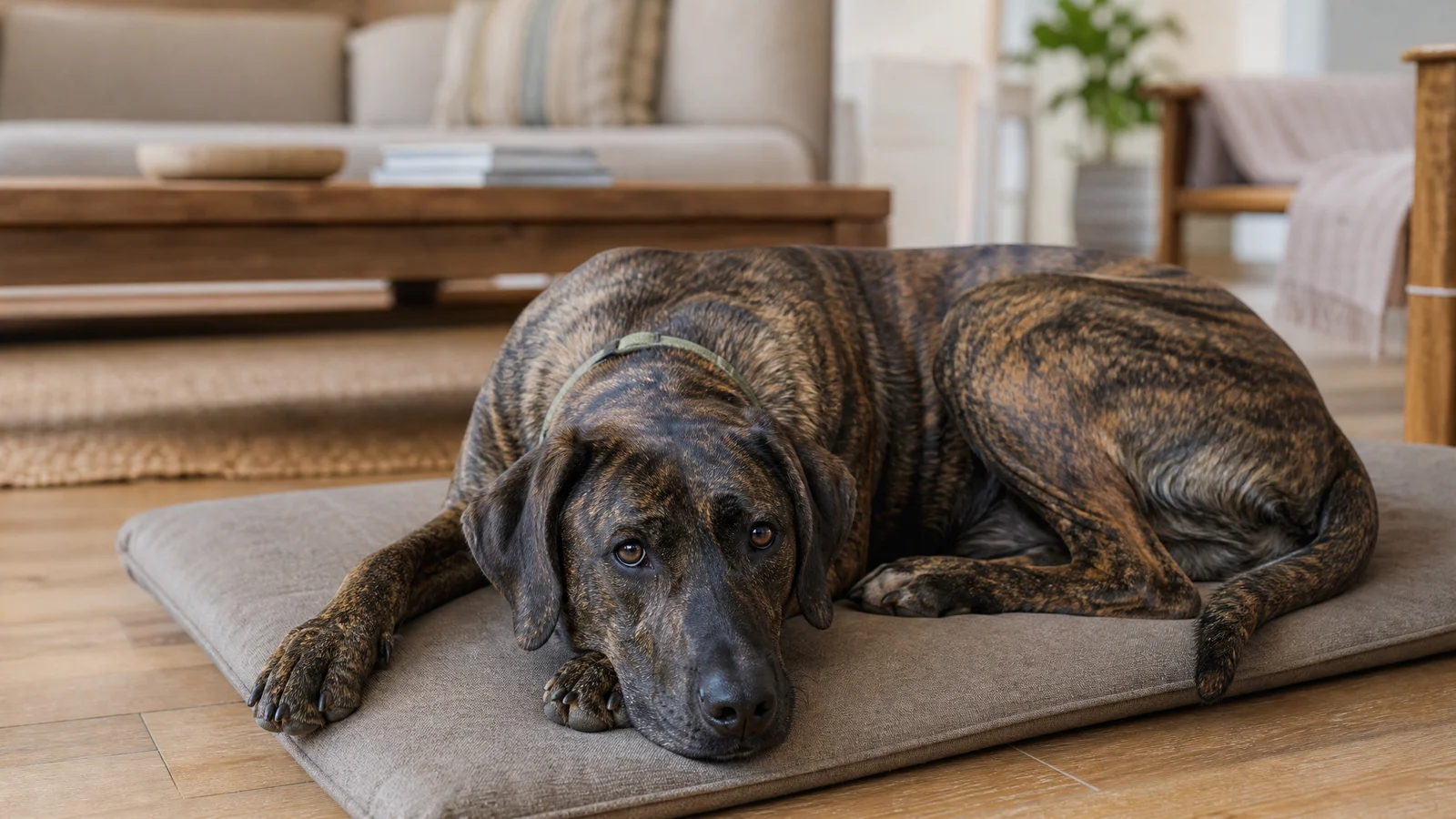
Yes, you can teach a Plott Hound an off switch by making calm behavior on a mat easy to discover and worth repeating. The goal is not to hold an energetic dog still. It is to build a voluntary pattern in which the mat predicts clear rewards, manageable household activity, and release before frustration appears.
This breed can be bold and active while also showing a calmer side at home. Mat training gives that contrast a practical cue. The notebook below treats settling as one behavior studied carefully, with a baseline, five experiments, visible criteria, and controlled changes. You will reward choices, never force a posture, and use the dog's comfort to set the pace.
Set Up the Plott Hound Temperament Mat Lab
Choose a mat large enough for the dog to lie on without curling tightly. It should stay flat, resist sliding, and feel distinct from the surrounding floor. Begin in a quiet room away from doors, food preparation, and household traffic. The mat should be noticeable without becoming the only object in the room.
Prepare pea-sized food rewards, a marker, and a release word. If you use a clicker, Battersea recommends pairing the click with food before using it to teach a new behavior. The clicker basics also emphasize marking the wanted action and then rewarding promptly.
Write the baseline before placing the mat. Can the dog eat comfortably in the room, follow a tossed treat, and return attention after looking away? Can they stand on the surface without slipping? These observations show whether the environment is ready for learning.
Decide what “settle” means in this notebook. A useful finished picture is the dog choosing the mat, lowering their body, remaining comfortable during mild activity, and leaving on release.
A rigid down-stay with tense muscles is not the same outcome. Relaxation is observed through softer movement, ordinary breathing, and the ability to disengage.
- Keep the mat flat, nonslip, and large enough for comfortable rest.
- Place rewards where they support remaining on the surface.
- End every repetition with the same clearly taught release.
Keep other needs separate. Exercise, safe scent activities, sleep, social time, and veterinary care all affect behavior, but the mat is not a cure for unmet needs or discomfort. If restlessness appears suddenly or the dog avoids lying down, ask a veterinarian before increasing duration.
Run Five Mat-Training Experiments
Run only one experiment at a time and finish while participation remains easy. Each experiment changes a single criterion, then returns to an easier version. Record what the dog did before deciding what the result means. Observable data prevents the notebook from becoming a story about stubbornness.
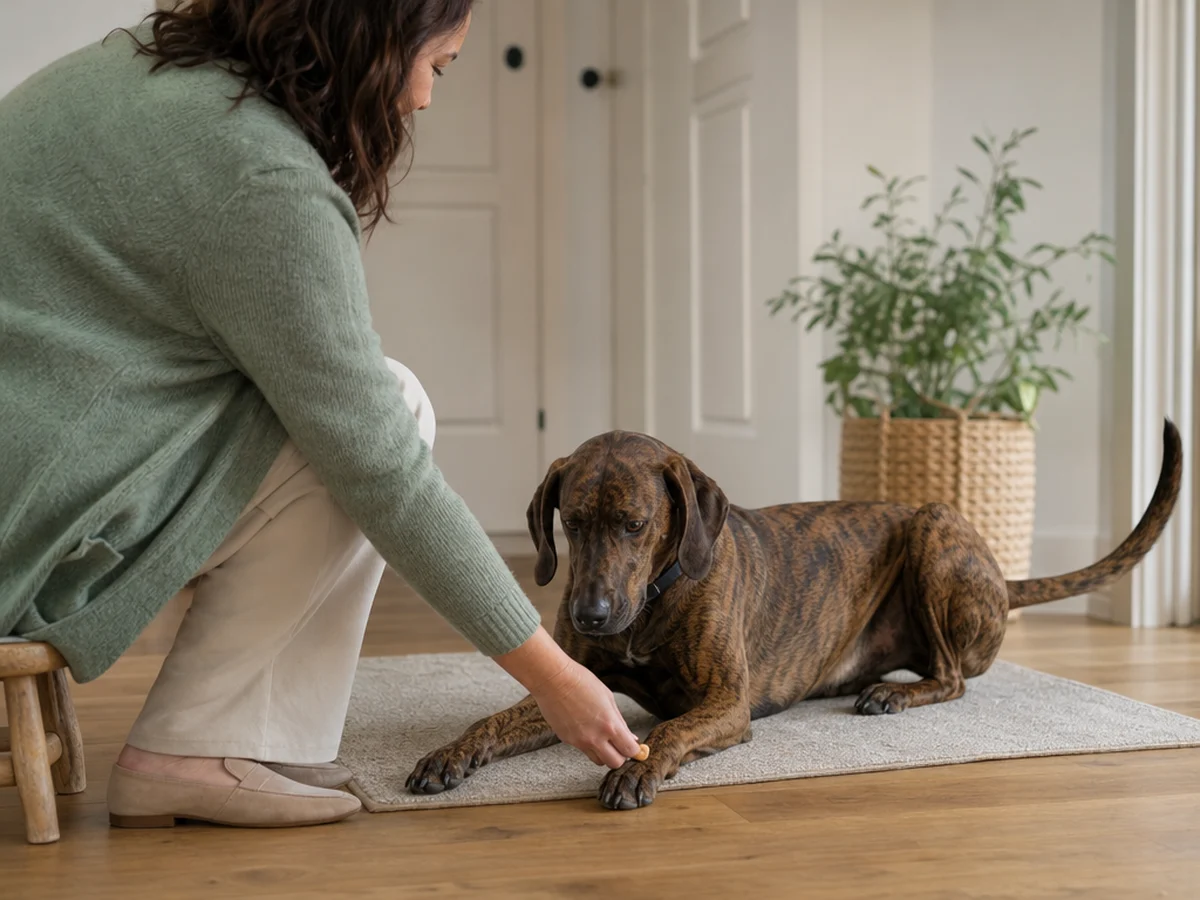
Experiment One Builds Notice and Approach
Place the mat and wait. Mark a glance toward it, a step in its direction, or a sniff near the edge, then deliver the reward on the mat. Toss the next reset treat away so the dog can approach again. This creates repeated voluntary entries without pulling, pointing, or physically placing paws.
Raise the criterion only after the current action appears readily. A look becomes a step, then one paw, then two. Do not withhold rewards until all four paws appear by accident. Small payments keep the path understandable and prevent the dog from trying unrelated behaviors in confusion.
Watch reward placement. Food should land far enough onto the mat to support the next approach, but not so far that the dog scrambles or slides. If they circle behind you instead, adjust your position so the mat remains the clearest route to payment.
Experiment Two Brings the Whole Body Onto the Mat
Once the dog steps onto the mat easily, wait for another paw before marking. Progress toward all four paws in small pieces. Feed low between the front paws so the dog stays oriented over the surface. Use the release word, then reset off the mat before beginning again.
A sit or down may appear naturally. Mark it if the posture is comfortable, but avoid luring the dog's nose so low that they fold awkwardly. You are building a destination first. The exact resting posture can develop after the dog trusts the surface and the repetition pattern.
For a dog who keeps only two paws on, make the mat easier to enter. Approach from a straight line, reduce your own movement, and reward farther from the edge. If the material feels unusual, begin with a familiar bed or a larger nonslip surface before returning to the final mat.
Experiment Three Adds Quiet Duration
Begin duration after the dog can reach the mat and lower their body willingly. Deliver one reward, pause briefly, then deliver another before they rise. Release after a few successful pauses. Duration is the time between rewards, not the time you prevent the dog from leaving.
Increase one interval slightly while keeping the others easy. A sequence might include two short pauses, one modest pause, and another short pause. Variable but manageable timing prevents the dog from predicting that every reward arrives on an exact count.
Place rewards quietly between the paws. High tossing, excited praise, or rapid delivery can turn the mat into an activation station. Your voice and movement should match the behavior you want. Calm reinforcement can still be valuable without becoming dull or delayed.
Experiment Four Captures Relaxation
Now observe changes within the resting posture. A hip may roll, the head may lower, muscles may soften, or breathing may become slower. Mark one of these transitions softly and place the reward without calling the dog up. You are reinforcing the shift, not demanding a particular pose.
Do not hover. Sit nearby, read, or perform a quiet task while keeping the dog in view. Constant staring can make the mat feel like formal work. A true off switch must coexist with a person whose attention is elsewhere.
Release before the dog becomes restless, then allow a real break. If they immediately return to the mat, you can reward that choice and begin a new short repetition. Voluntary return is stronger evidence than a long stay maintained by repeated cues.
Intense exercise is not required before every settle. Physical activity has health and age considerations, and the mat should eventually work after ordinary daily events. If an activity involves impact or a dog has health limitations, discuss suitability with a veterinarian rather than using fatigue as a training tool.
Experiment Five Adds One Household Distraction
Choose a mild event, such as a person standing, a cabinet opening, or a quiet step across the room. Present it at a level where the dog can notice and remain comfortable. Mark continued settling or an easy return to the mat, then reward. Stop after a few clear repetitions.
Do not begin with the doorbell, visitors, food on the counter, or an exciting departure. Those scenes combine sound, movement, anticipation, and access. Test one element first. A person might take one step today and cross the room later.
If the dog rises, the experiment supplied useful data. Reset quietly, reduce the movement or add distance, and reward the easier response. The mat should remain a safe choice, never a place where the dog is sent after making a mistake.
Some dogs carry treats away or guard resting resources. Keep high-value chews separate from early mat lessons and manage space around other animals. The site’s Plott Hound socializing guide explains calm trades and separated resources without taking items by force.
For busier scenes, prepare management separately. A gate, distance, or another room may be appropriate while deliveries arrive or guests enter. The mat is not a substitute for safety. Bring it into the scene only when the dog can notice activity and remain able to eat, turn, and recover.
Read the Plott Hound Temperament Settle Data
A brief record after each session keeps the plan honest. Note the experiment, the hardest successful criterion, the first sign of difficulty, and how quickly the dog recovered. Avoid scores such as good or bad. They do not tell you which condition to repeat.
| Observation | Likely adjustment | Next trial |
|---|---|---|
| Approaches but stays at edge | Improve surface and placement | Reward one step farther in |
| Rises before each reward | Interval increased too fast | Return to shorter pauses |
| Stares at the food hand | Delivery became a lure | Hide food, then mark choice |
| Leaves during movement | Distraction exceeds learning | Add distance or reduce motion |
| Cannot relax after release | Session may be too activating | Use fewer repetitions and rest |
We recommend regular veterinary visits as part of the wider care routine. The UKC breed page describes an active, bright, confident dog, which helps frame why purposeful engagement and a taught transition to rest both belong in the plan.
Compare only similar trials. Five seconds in a quiet room and five seconds while a visitor enters are not equal measures. If you change location, return to a simpler duration. If you change movement, keep reward value and mat position familiar.
Pay attention to repeated avoidance. A dog who consistently refuses the mat may dislike the material, location, proximity to another animal, or expectation attached to it. Move the mat, change the surface, and rebuild approach from the first experiment. Do not increase food value while ignoring discomfort.
A scent activity can help meet mental needs before a calm period, but sequence it thoughtfully. Best Friends describes beginner nose work with easy food searches in containers. Keep any search secure, brief, and separate from the mat, then allow a transition before asking for rest.
Use Mat Settling in Daily Plott Hound Life
Generalize the mat by moving it only a short distance at first. A new room changes smells, sight lines, flooring, and household traffic. Return to easy approaches and brief duration. The cue may be familiar, but the setting still needs teaching.
Use the mat before predictable calm periods, not only after the dog is already overexcited. Place it while you read, work, or prepare a quiet meal. Reward voluntary arrival and occasional relaxed choices. Release the dog for water, movement, or a safe sniff before restlessness builds.
- Use the quiet room when ordinary movement already strains attention.
- Use distance and a gate before introducing predictable household traffic.
- Return to short duration whenever the mat moves to a new location.
Link the behavior to the wider routine. The Plott training calendar places settling beside meals and walks, while the training principles explain how to change one variable. Use those structures without adding more criteria to this single behavior.
Fade food gradually after the pattern is strong. Keep occasional food rewards, but also let the mat produce quiet access to family life, a comfortable chew when appropriate, or release to another safe activity. Removing all reinforcement at once can make a useful behavior stop paying.
Expect refreshers after travel, schedule changes, adolescence, illness, or a move. Return to the earlier experiment that still feels easy and rebuild from evidence. A familiar skill can need a simpler version when the surrounding conditions change.
The one thing to do today is small. Put the mat in a quiet room, wait for one voluntary look toward it, mark that choice, and place a reward on the surface. Release after a few clear repetitions. That first observation begins an off switch without forcing the Plott Hound to turn off who they are.
 Training basicsReward-Based Plott Hound Training Tips for a Sharp Mind
 BehaviorManaging a Plott Hound's Chop and Bawl With Rewards
 BehaviorBreaking a Plott Hound's Stare at Wildlife and Walking On